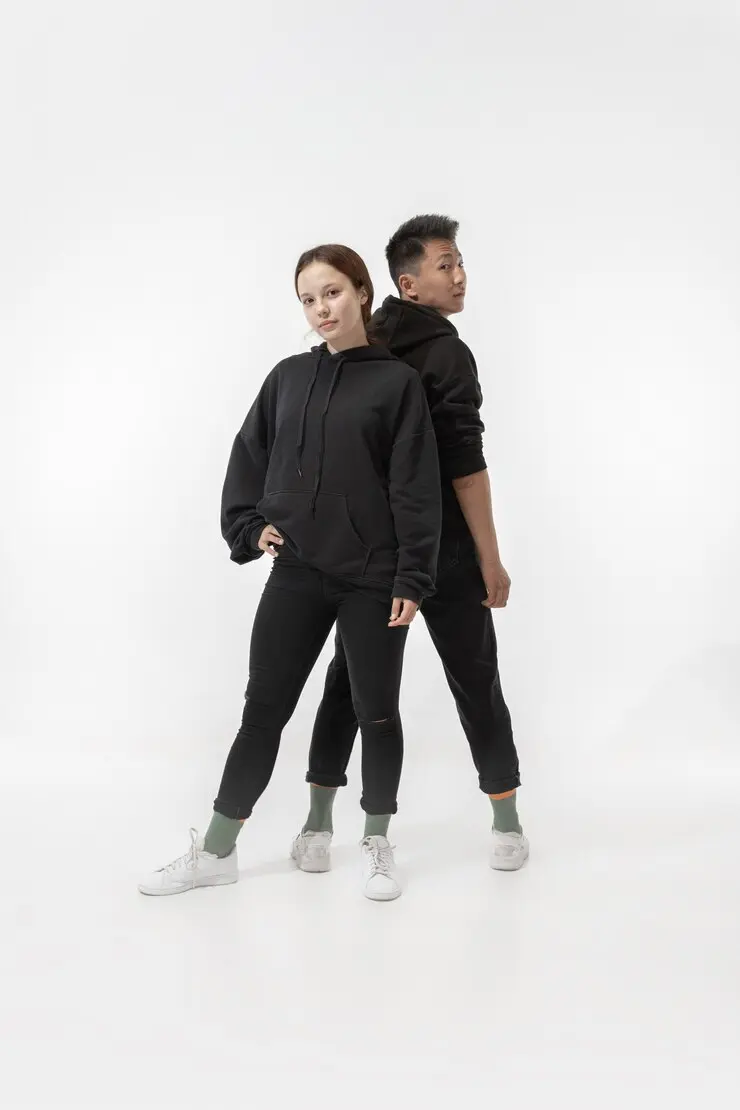
We analyze how designers are playing with proportion in women's apparel.
A-line dresses, dropped waistlines, and dramatic tailoring are reshaping womenswear.
Designers are playing with volume, creating modern, sculptural silhouettes.
Proportion is a powerful tool that can evoke a specific era or emotion.
This trend is about expressing individuality through shape and form.
Reading Market Signals Before They Become Mass Trends
By the time a trend appears in fast-fashion retail, it is 9–18 months past its innovation peak. Premium and private label brands that wait for trends to become obvious have already missed the margin window. The brands that win are reading signals at the innovation layer — runway looks, emerging street-style subcultures, Pantone color forecasts, and the micro-communities on social media where aesthetics germinate before going mainstream.
The five most reliable leading indicators for apparel trends are: (1) color stories published on Milan and Paris runways twice yearly, (2) WGSN and Trendalytics for data-driven forecasting, (3) resale market velocity on Depop and Grailed, (4) Pinterest search-volume growth — often six months ahead of mainstream retail — and (5) what your own top repeat customers are tagging and wearing. That last one is consistently the most under-used signal in the entire industry.
Translating Trends Into Profitable Production Decisions
Not every trend deserves a production run. The question is not "is this trending?" but "does this trend align with my customer's identity, and am I positioned to deliver it better than my nearest competitor?" Chasing a trend that doesn't fit your brand's visual language — or your factory's production capabilities — is how brands end up with expensive inventory that won't sell and can't be profitably discounted.
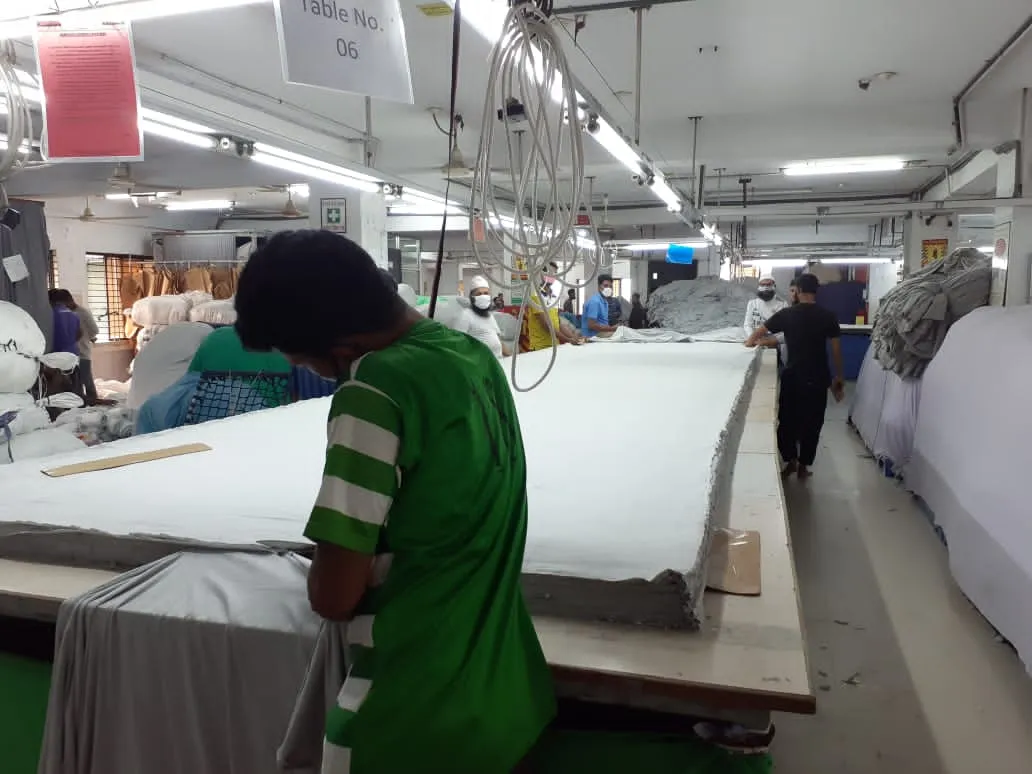
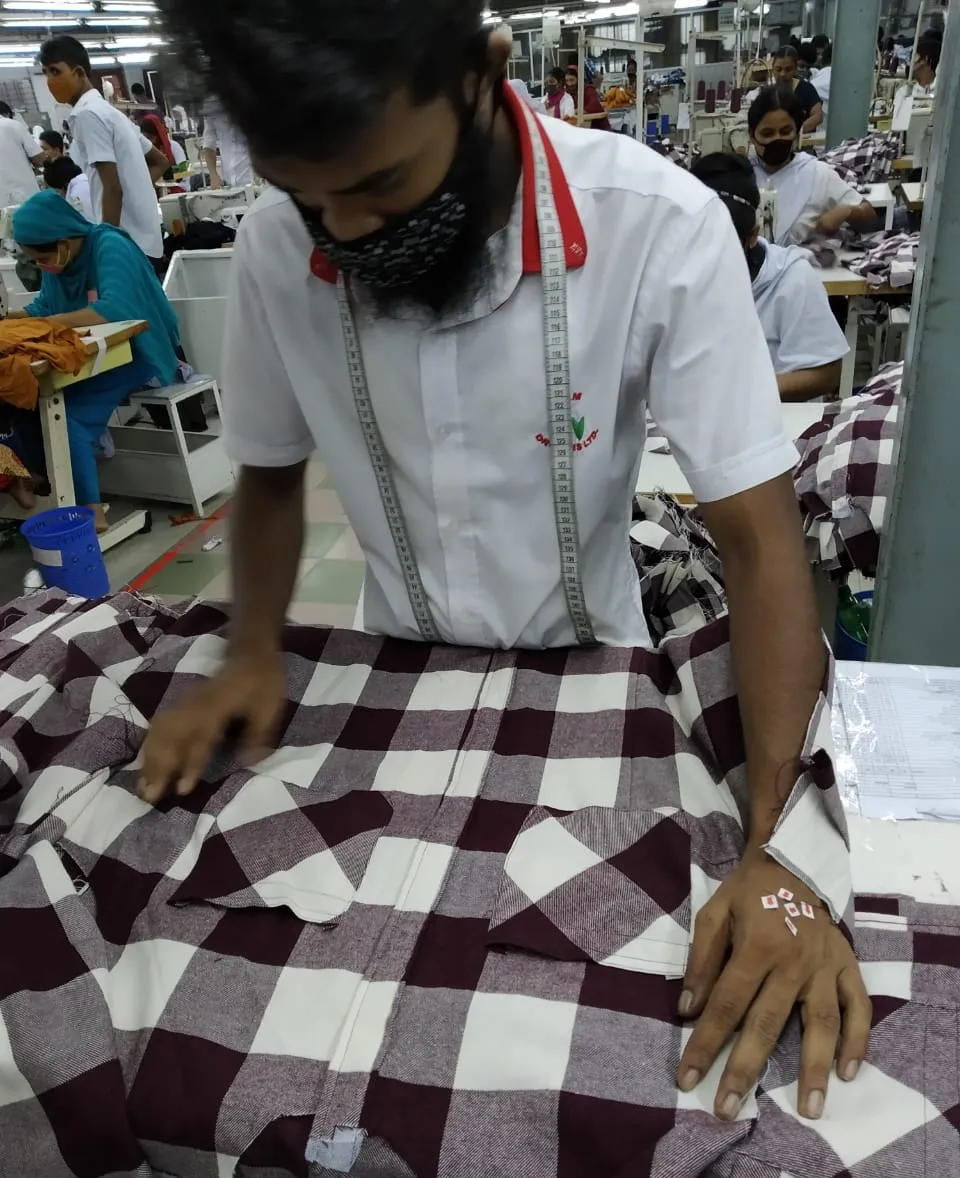
The most efficient way to respond to trends without overcommitting capital is the micro-drop model: an initial run of 100–200 units that tests the trend with your existing audience before a larger follow-on order. Bangladesh factories with well-developed CMT operations can turn a micro-drop in 30–35 days for repeat orders on approved fabrics, giving brands a fast-response capability without the risk of a full buying commitment on an unproven style.
Expert Tip When building a trend-driven collection, anchor it around one hero trend piece with two to three classic evergreen styles. The hero drives social interest and press coverage; the evergreen pieces carry the sales volume. Releasing them together gives the collection narrative coherence and your business the financial stability to take creative risk.
Frequently Asked Questions
How far ahead should I plan a trend-driven collection?
For custom fabric and new color development, plan 4–6 months before your target launch date. For orders using existing stock fabrics, 10–12 weeks is achievable. The further ahead you plan, the wider your fabric, color, and construction options.
How do I know if a trend has longevity?
Trends with staying power tend to serve a function beyond aesthetics — they solve a comfort problem, serve a subculture identity, or they connect to a values shift such as sustainability or minimalism. Purely visual trends peak fast. Functional or identity-rooted trends build slowly and hold for multiple seasons.
Should I try to set trends or follow them?
Most private label brands don't have the reach to set broad trends, but they can lead within their niche. Focus on being the first and best expression of a relevant trend for your specific customer community rather than competing against the entire mass market.
Key Takeaways
- Trends are most profitable well before they hit mass retail — research early-stage signals, not mainstream coverage.
- WGSN forecasts, Pinterest search velocity, and resale market data are the top leading indicators for apparel.
- Align trend decisions to your brand identity — chasing trends outside your lane creates unsellable inventory.
- Micro-drops (100–200 units) let you test trend response without overcommitting working capital.
- Anchor every trend collection with evergreen basics that stabilize sell-through and protect your margins.
TH
Written by
Tasiqul Haq
Member of the Essential Apparel production team, sharing first-hand insight from our Dhaka factory floor.