More stitches per inch isn't always better. We break down how stitch density affects strength, comfort, and cost.
Stitch density (SPI) is a measure of how many stitches are in an inch of seam. A typical SPI for apparel is 8-12.
Higher stitch density can make a seam stronger, but it can also weaken the fabric if the needle pierces it too many times.
Knit fabrics generally use a lower SPI to maintain stretch, while wovens can handle a higher SPI.
Discuss the SPI with the factory in the tech pack to ensure it aligns with the design requirements.
The Four Inspection Gates Every Production Order Must Pass
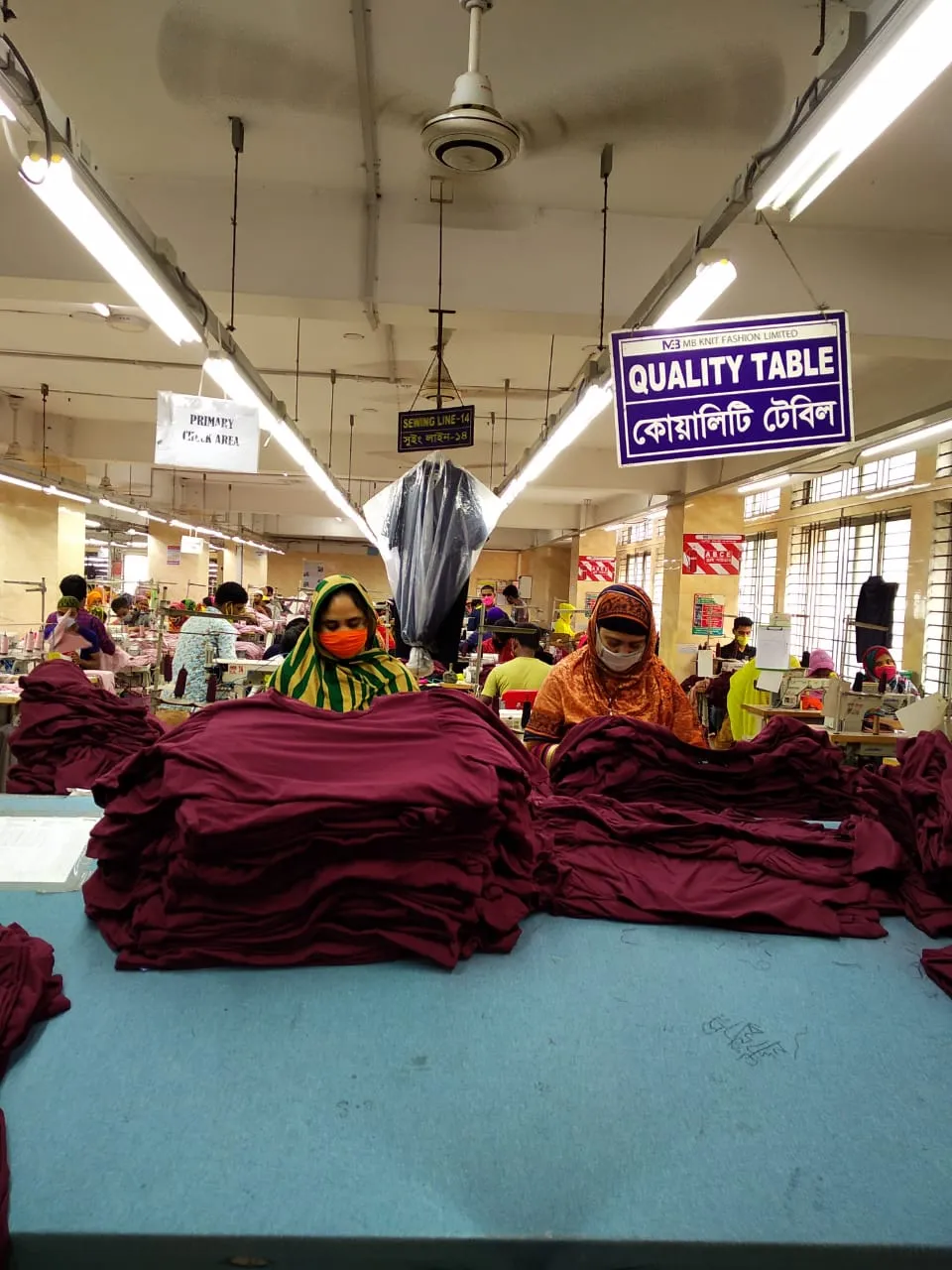
Quality is not an endpoint inspection — it is a process controlled at four distinct gates. The first is incoming fabric inspection: rolls are measured, counted, and checked for weaving defects, color variation, and width consistency before a single panel is cut. The second is inline inspection during sewing, where a QC inspector walks the production line every two hours checking stitch density, seam allowance, label placement, and construction accuracy on randomly selected pieces.
The third gate is the pre-final inspection, typically conducted when 80% of the order is packed. Here a statistical sample is pulled based on AQL tables and examined for critical, major, and minor defects. The fourth and often overlooked gate is the shipment audit — a check confirming that what leaves the factory matches the approved packing list in quantity, color ratio, and size breakdown. Skipping any one of these four gates increases your risk of receiving a substandard shipment that must be reworked overseas at your expense.
AQL Standards Explained for Apparel Buyers
AQL (Acceptable Quality Level) is the statistical framework that defines how many defects in a batch are tolerable before it is rejected. The most common standard in apparel is AQL 2.5 for major defects and AQL 4.0 for minor defects. In practice, for an order of 1,000 units, AQL 2.5 means inspecting approximately 125 pieces and accepting the batch only if no more than 7 major defects are found across those 125 pieces. Finding 8 triggers a full-batch rejection and mandatory 100% sorting at the factory's expense.
Many brands hire third-party inspection firms — SGS, Bureau Veritas, Intertek, or independent QC services — to conduct pre-shipment inspections. The cost is $200–$400 per man-day and is almost always worthwhile. A factory's internal QC and a buyer's third-party inspection complement each other: factory QC maintains the production standard; third-party inspection gives the buyer an independent, defensible confirmation that the order meets spec before they release the balance payment.
Expert Tip Don't wait for the pre-shipment inspection to be your first quality touchpoint. Request inline QC reports from your factory every two to three days during production. If a defect pattern is emerging at 200 units, catching it then costs almost nothing to fix. Finding the same defect at 800 units packed means expensive rework, a delayed shipment, and a strained factory relationship.
Frequently Asked Questions
What defects should I classify as "critical" on my inspection checklist?
Critical defects are anything that could harm the wearer or create legal liability — exposed wire in a bra underwire, a button small enough to be a choking hazard, chemical odor from excess dye fixative, or drawstrings on children's garments that pose strangulation risk. Any critical defect triggers automatic rejection regardless of AQL.
Can I waive the pre-shipment inspection to save money?
Technically yes, but it is one of the costliest savings available to you. Third-party inspection costs $200–$400. Returning or reworking a defective shipment of 1,000 units costs many thousands in reverse logistics, reshipping, delayed sales, and customer service overhead. The inspection is cheap insurance.
What happens if my order fails the pre-shipment inspection?
The factory has three options: sort and rework defective pieces (most common), replace them with new production (time-sensitive), or negotiate a commercial discount on the rejected units. Which path is available depends on your timeline, defect type, and your contract terms — specify this in your purchase order before production begins.
Key Takeaways
- Quality is controlled across four gates: incoming fabric, inline sewing, pre-shipment inspection, and shipment audit.
- AQL 2.5 for major defects and AQL 4.0 for minor is the apparel industry standard — know your acceptance numbers.
- Third-party inspection ($200–$400) is the cheapest insurance against a defective container reaching your warehouse.
- Request inline QC reports every 2–3 days during production — don't wait until goods are boxed and packed.
- Define critical, major, and minor defects in writing on your purchase order before production starts.
MM
Written by
Md Mostain Salah Uddin
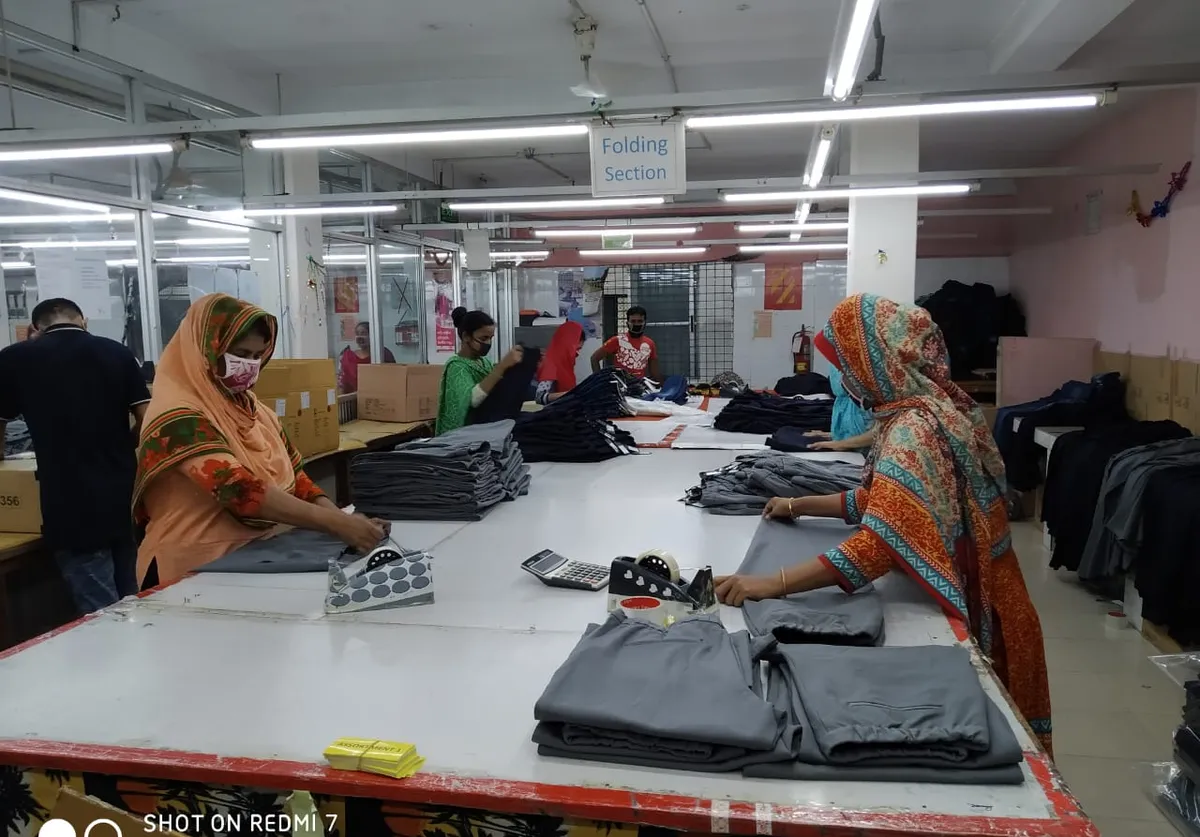
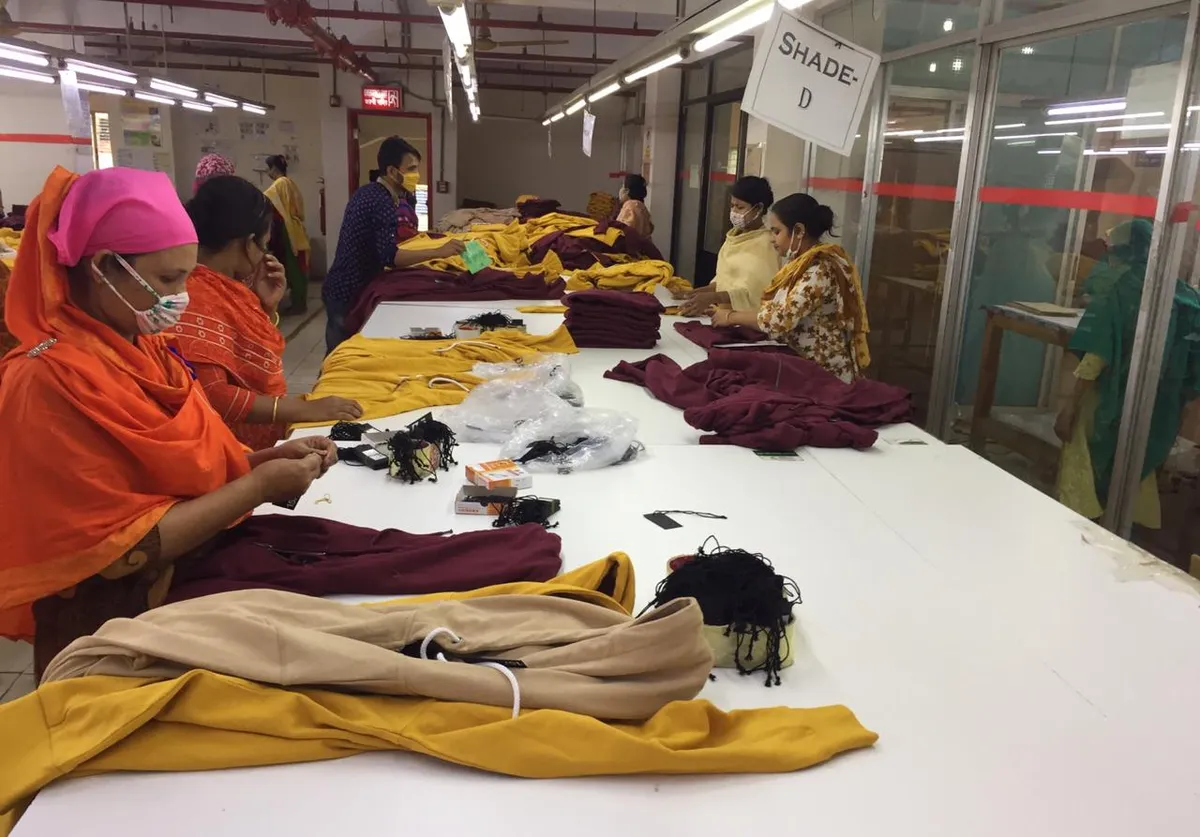
Member of the Essential Apparel production team, sharing first-hand insight from our Dhaka factory floor.