Why MOQs exist, why they vary by fabric, and how to negotiate a sustainable first production cycle without overstocking or starving demand.
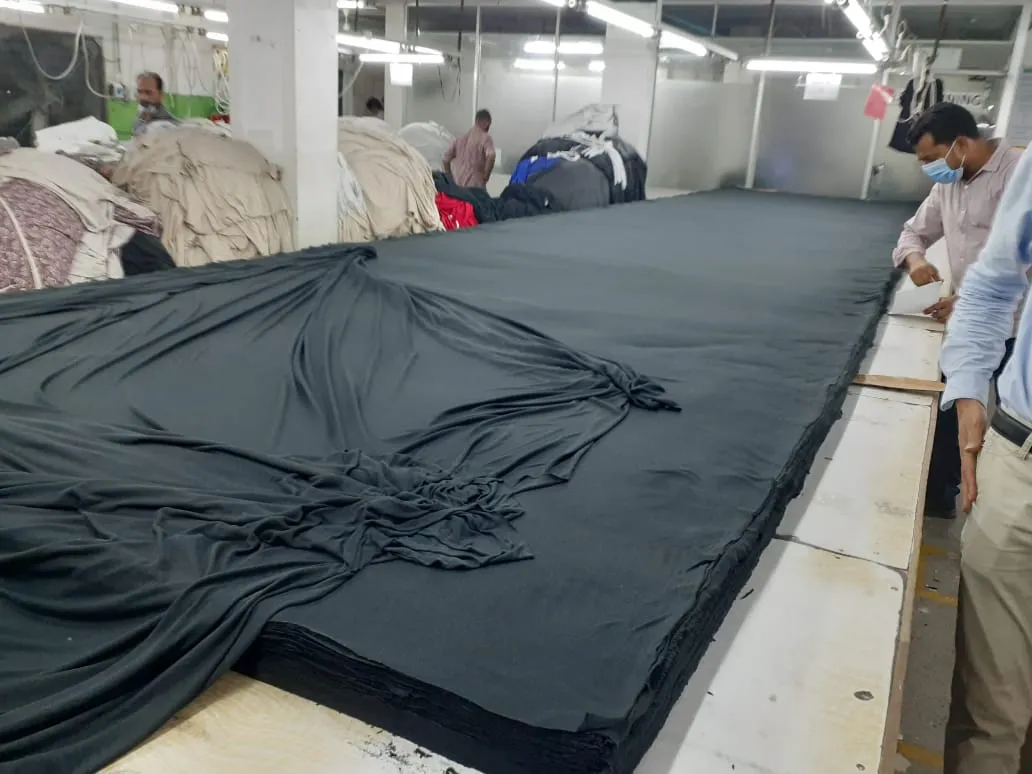
MOQs feel arbitrary until you understand what the factory is actually buying on your behalf. A 200-unit MOQ on a custom-dyed cotton hoodie reflects the smallest commercially viable yarn order, the dyehouse minimum bath, and the knitting machine setup time.
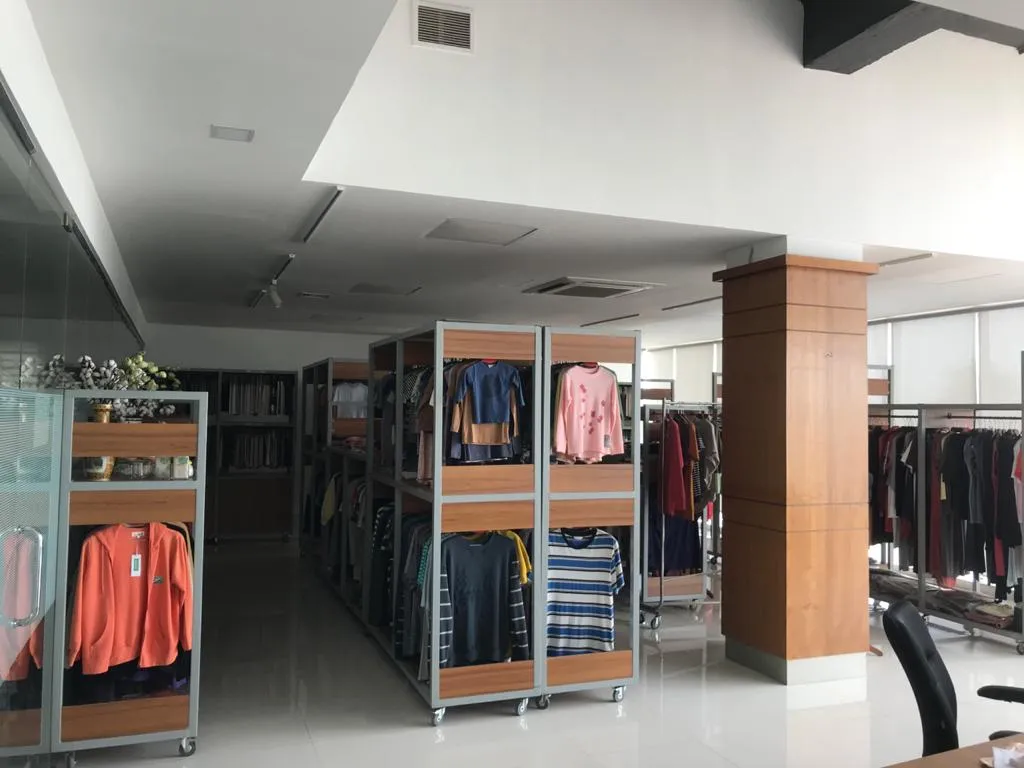
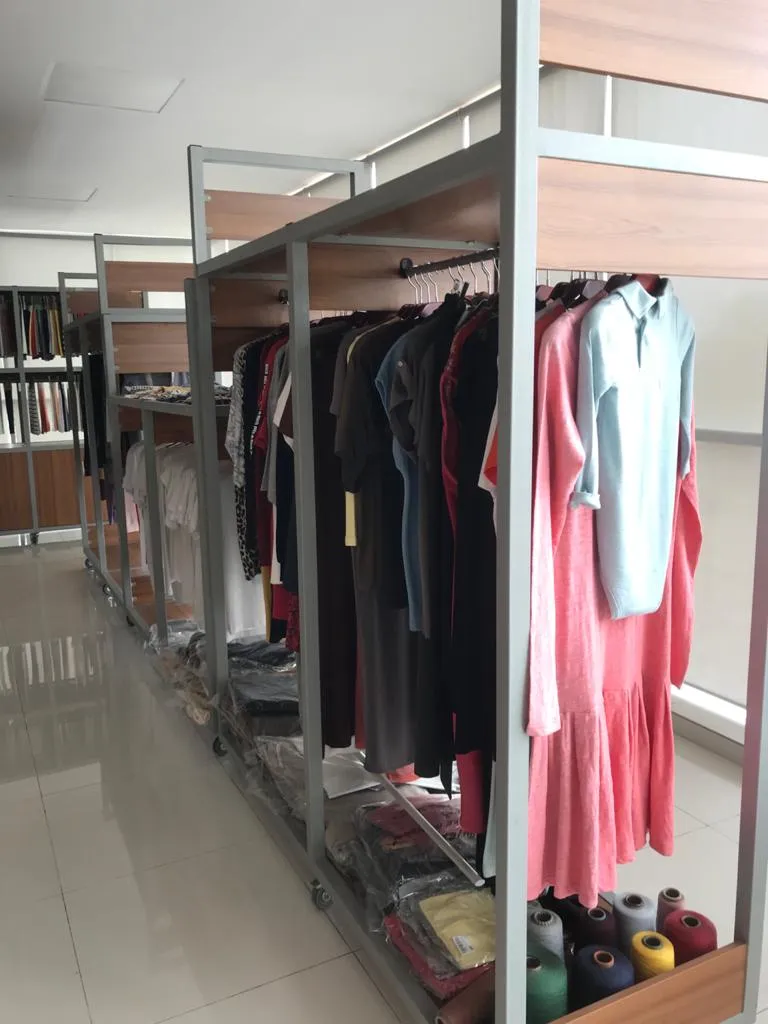
Lower MOQs do exist — but they come from blank fabric stock, not custom development. If you are willing to use the factory's standard fleece in standard colors, MOQs can drop to 50–100 units.
Budget framework for a first run: sample fees (refundable against bulk), 30% deposit at PO confirmation, 70% balance before shipment, freight and customs separately. Plan for 10–15% buffer on top of the quoted price for last-minute fabric or trim swaps.
Negotiate on payment terms before you negotiate on price. A factory that gives you 60-day net terms is more valuable than one that cuts $0.50 off your unit cost.
The Financial Architecture of a Private Label Apparel Brand
Most clothing brands fail not because of poor design but because of poor financial architecture. They execute a strong first production run, sell through quickly, and then cannot fund a re-order at the volume needed to grow. The fix is understanding unit economics before placing the first production order: cost of goods, contribution margin, break-even unit volume, and the cash cycle between ordering, production, shipment, and revenue recognition.
A healthy apparel brand targets a landed cost — factory price plus freight, duties, and inspection — of 20–30% of retail price. This leaves room for marketing (15–20%), platform fees and returns (10–15%), and a net margin of 15–20%. Brands whose landed cost exceeds 30% of retail face a structural problem: every unit of growth makes them less profitable, not more, because the contribution margin cannot absorb operating costs at scale.
Building Supplier Relationships That Compound Over Time
Your factory is not a vendor — it is a long-term operational partner. The brands that secure the best pricing, earliest production slots, and fastest communication are those who have treated their factories as partners from day one: paying on time, providing precise specifications, giving adequate notice before peak seasons, and visiting the factory at least once a year. Trust is real currency in the Bangladesh garment industry, and it delivers compounding commercial returns.
The practical mechanics of a strong factory relationship: maintain one dedicated point of contact, pre-book production capacity for your peak season four to six months in advance, and share rolling twelve-month volume forecasts even when they are approximate. Factories invest in equipment and labor planning based on their reliable client pipeline. Brands that appear predictable earn production priority and often better per-unit pricing; brands that show up with urgent orders and no lead time pay for that urgency in cost and quality risk.
Expert Tip Don't compete on price alone with your manufacturer — compete on volume reliability and relationship quality. A factory that knows you will return with three more orders this year gives you materially better service than one that treats you as a transactional buyer. Be the client every factory wants to fill its calendar with, and your costs will drop naturally over time.
Frequently Asked Questions
What payment terms should I expect from a Bangladesh factory?
The standard is 30% deposit before production (TT in advance) and 70% balance before or against the bill of lading. Trusted repeat clients sometimes negotiate 20/80 splits or extended credit terms. Letter of Credit (L/C) is available for larger orders with established banking relationships.
How do I calculate my true landed cost per unit?
Landed cost = factory price + freight + customs duty + inspection fee + any agent commission. For Bangladesh to USA, add approximately $2.50–$4.00 per kilogram for sea freight, 12–32% import duty depending on HS code, and $300–$600 for third-party inspection. Divide total by unit count for your per-unit landed cost.
When should I hire a sourcing agent?
A sourcing agent adds value when you are entering a new geography, managing multiple factory relationships simultaneously, or when your volumes are below the threshold where factories will engage you directly. Expect to pay 5–8% of FOB value for full-service representation. The commission pays for itself in time, mistakes avoided, and relationship access.
Key Takeaways
- Target a landed cost of 20–30% of retail price — above 30% and growth becomes structurally unprofitable.
- Pre-book production capacity 4–6 months before your peak season to secure slots and pricing.
- Pay factory invoices on time, every time — late payment damages factory trust faster than any other single factor.
- Share rolling 12-month volume forecasts to help your factory plan labor and raw material purchasing.
- A sourcing agent earns their commission when factory relationships require active management or geographic expertise.
NH
Written by
Nasrin Haq
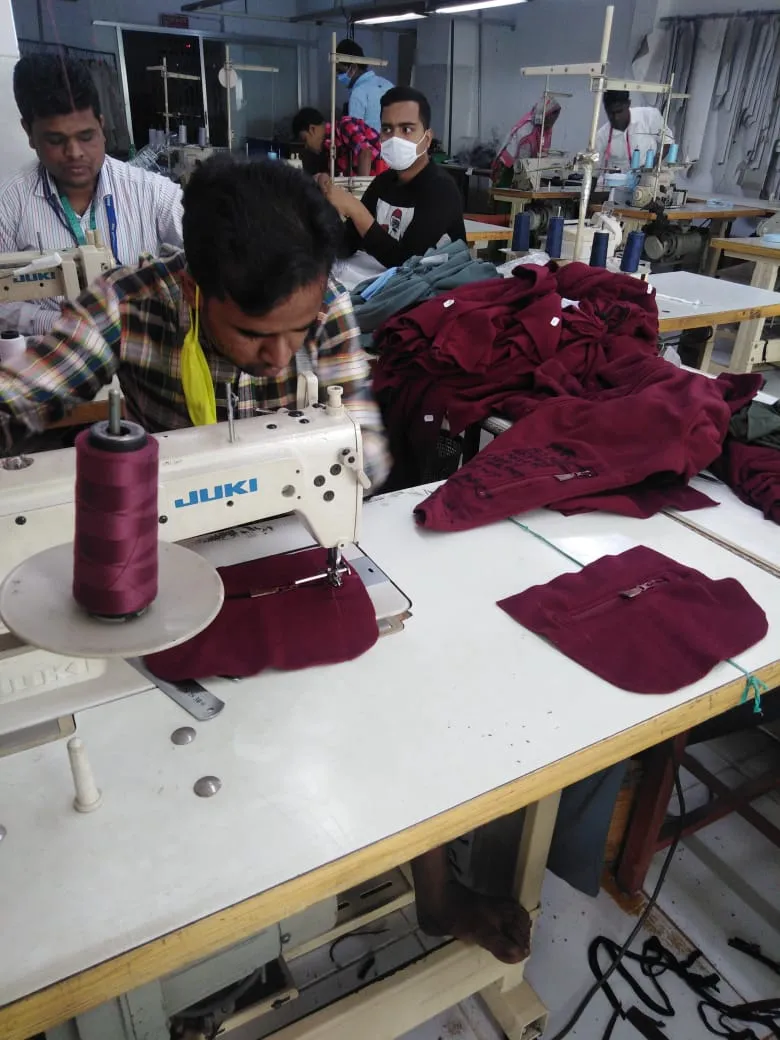
Member of the Essential Apparel production team, sharing first-hand insight from our Dhaka factory floor.