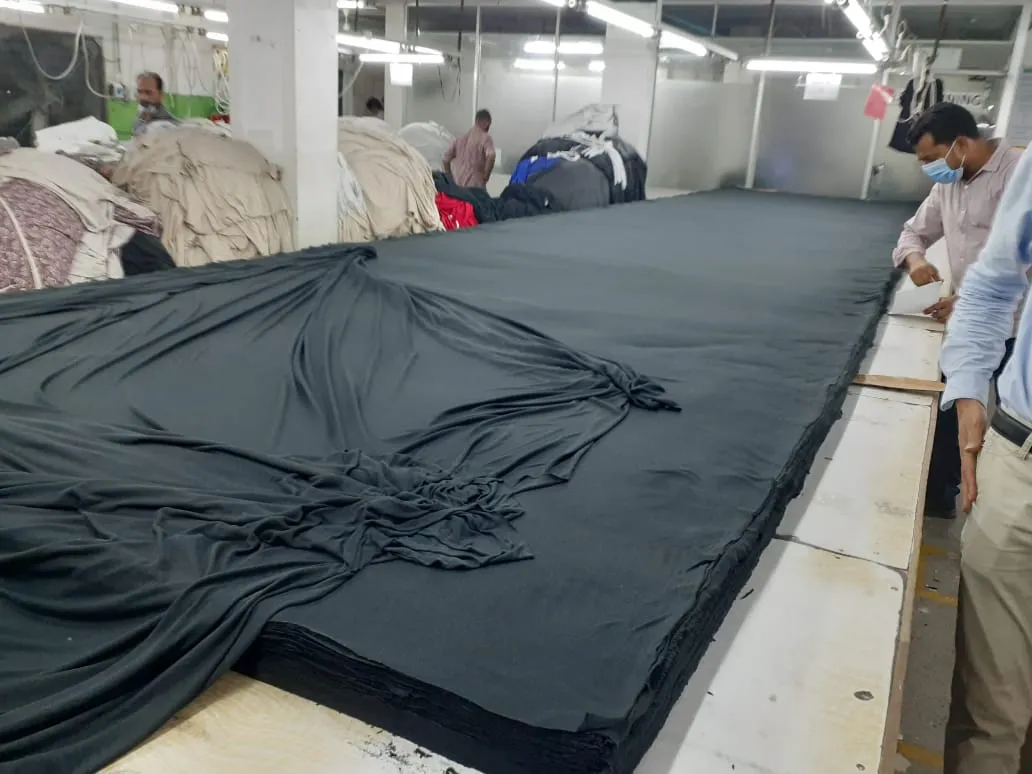
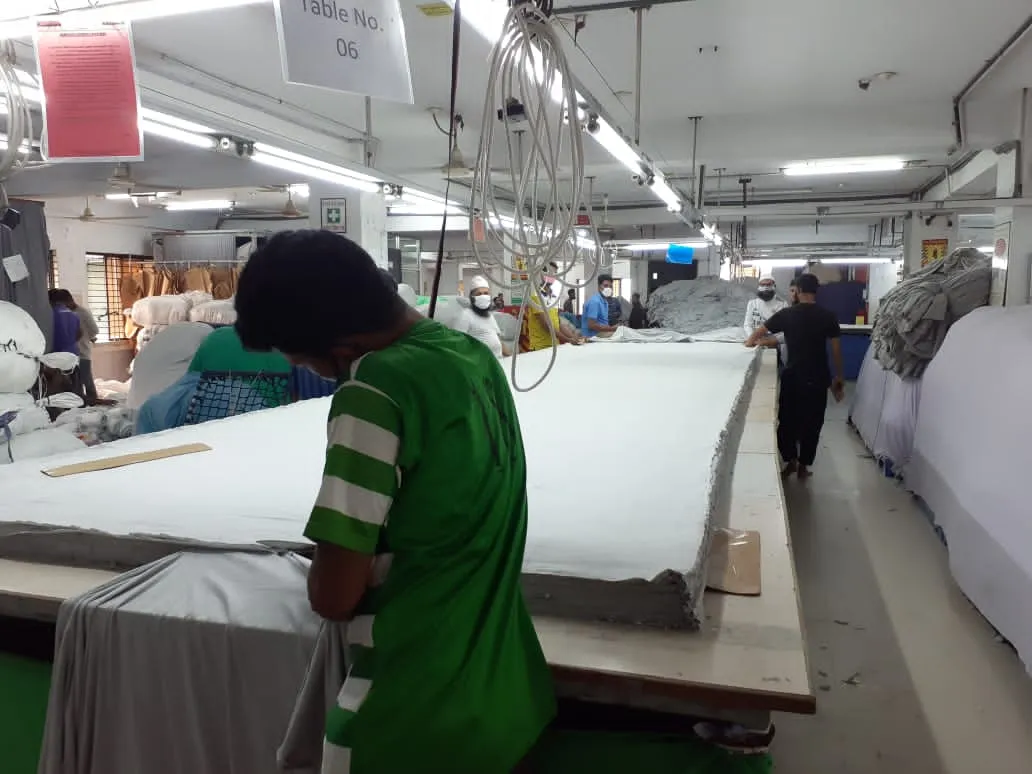
Both fabrics can feel premium, but they communicate very different values. The right choice depends on climate, price point, and product positioning.
Cotton basics are familiar, easy to understand, and generally easier to price. Merino wool brings temperature regulation, softness, and a more technical premium feel.
Merino tends to shine in elevated essentials, travel layers, and cold-weather products. Cotton remains the safer choice for volume-driven tees, hoodies, and everyday merch.
The maintenance story matters too. A fabric that requires more care can feel luxurious, but it also narrows the audience if the customer expects low-effort wear.
When the brand story is about performance and refinement, merino can be a strong differentiator. When the story is about accessibility and repeat purchase, cotton usually wins.
Understanding Fabric Construction, Weight, and Performance
Every fabric is a combination of fiber content, yarn count, knit or woven structure, and finish. Changing any one of these variables changes how the finished garment drapes, breathes, shrinks, pills, and photographs. Cotton jersey at 180 GSM knitted on a circular machine behaves completely differently from a 180 GSM interlock — same weight, same fiber, radically different hand feel, body, and durability under repeated laundering.
When reviewing a fabric for your collection, always ask for the full specification: fiber content, GSM, yarn count (Ne), knit structure, shrinkage rate after washing, and colorfastness rating. The first three define the garment's weight and feel; the last three define how it performs over the lifetime a customer wears it. A brand that ships 200 GSM tees that pill after four washes loses repeat customers — a far greater cost than investing in a better yarn specification upfront.
Fabric Sourcing, Swatches, and Color Approval
Fabric sourcing begins with the swatch room. Before any production order is placed, your factory will send physical swatches — typically 10×15 cm samples of candidate fabrics — for you to approve. This step is non-negotiable. Photos and screen renders lie; a fabric that looks warm honey-gold on your monitor may arrive as mustard yellow under warehouse lighting. Approval always happens under D65 standard lighting to simulate consistent natural daylight conditions.
Pantone references control color approval in apparel. Your tech pack specifies a Pantone code (e.g. Pantone 16-1350 TPX for dusty peach), the dyehouse dyes to that target, and the factory submits a lab dip — a fabric swatch dyed to match — for your sign-off. You compare the lab dip against the Pantone swatch under standard lighting and note whether it is on-target, too warm, too cool, or off in saturation. This cycle repeats until you approve, and only then does bulk dyeing begin.
Expert Tip Order one extra meter of your approved fabric alongside your bulk production. It becomes your "golden swatch" — the reference standard against which every QC inspection is measured. Factories that keep a golden swatch catch color drift in mid-production before it becomes a costly rejection at final inspection.
Frequently Asked Questions
How do I choose between cotton and polyester for performance wear?
Cotton breathes and feels natural but holds sweat and dries slowly. Polyester wicks moisture and dries fast but retains odor longer. Most performance brands use an 88/12 poly-spandex blend for stretch and recovery, or a 50/50 cotton-poly for lifestyle athleisure that leans more casual than athletic.
What is the minimum fabric quantity I can order?
Fabric mills typically require 300–500 meters per color. Your factory absorbs this if your order is large enough. For small runs, factories work from existing stock fabric — a narrower color palette but no minimums, and a two-week shorter production timeline.
What does "4-way stretch" mean and do I need it?
Four-way stretch means the fabric extends in both horizontal and vertical directions — essential for active wear, yoga pants, and any garment that must move with the body. Two-way stretch (horizontal only) is sufficient for t-shirts and sweatpants. For meaningful stretch recovery, specify at least 5% spandex/elastane in the blend.
Key Takeaways
- Always request and physically touch fabric swatches before approving — screen color renditions are unreliable.
- GSM alone does not define quality: yarn count, knit structure, and colorfastness rating matter equally.
- Color approval via lab dips under D65 standard lighting is mandatory before bulk dyeing begins.
- Keep a "golden swatch" from your approved fabric run as the QC benchmark throughout production.
- Performance wear works best in 88/12 poly-spandex; cotton-poly blends serve lifestyle-adjacent pieces.
NH
Written by
Nasrin Haq
Member of the Essential Apparel production team, sharing first-hand insight from our Dhaka factory floor.