Fabric waste is a major issue. We explore how to manage it and use it to your advantage.
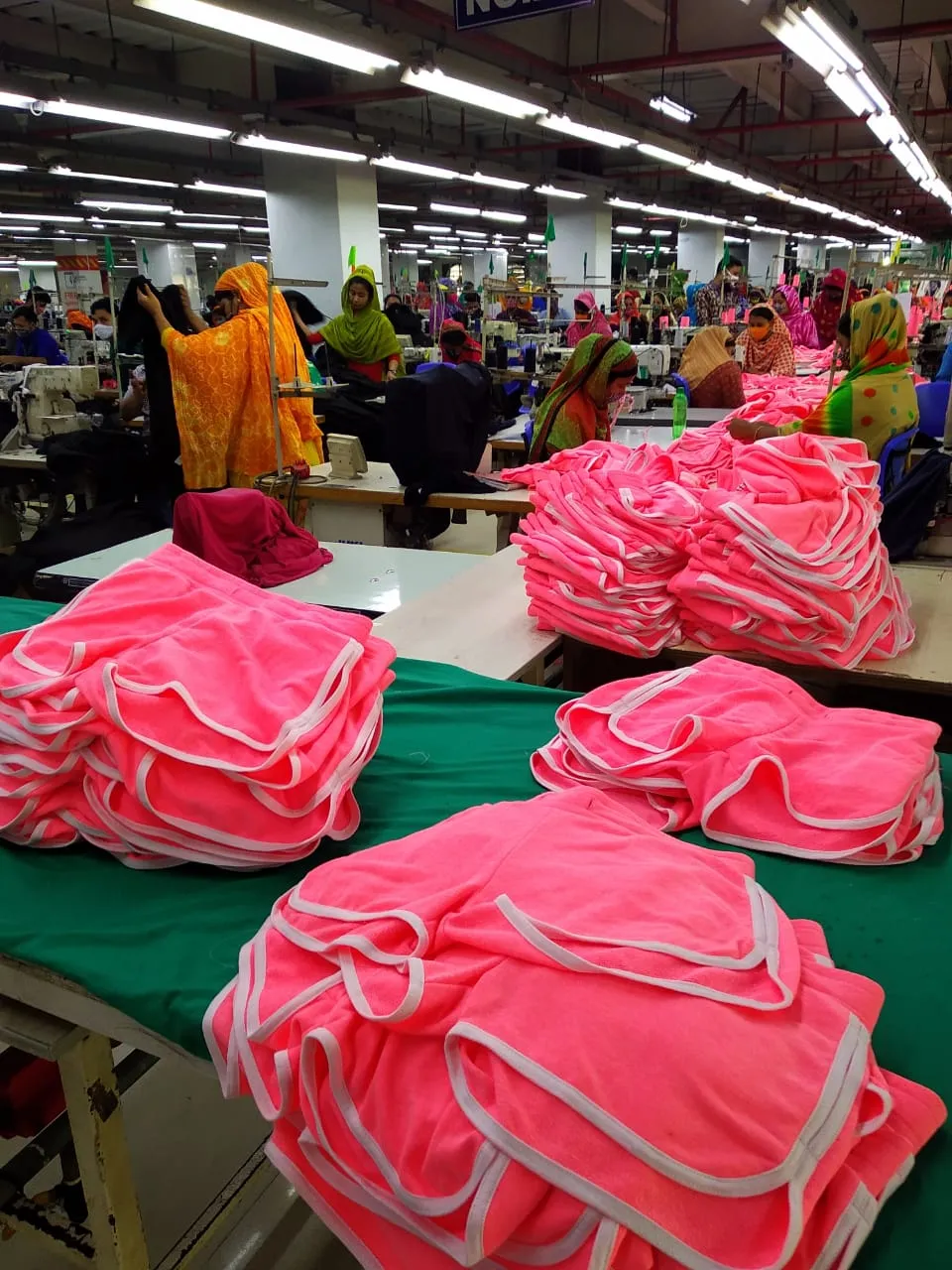
Fabric waste from cutting rooms is a costly and environmental burden.
Some brands are using offcuts for accessories like bags, headbands, or patches.
Recycling programs that take back used garments are another way to manage end-of-life.
Turning waste into a 'circular economy' story can be a powerful marketing message.
Sustainable Apparel: Beyond the Buzzword to Measurable Impact
Sustainability in apparel has been so broadly marketed that the word has lost precision. For buyers and brands trying to make responsible sourcing decisions, the meaningful distinction is between lifecycle impact and certification claims. Lifecycle impact asks: what are the true environmental costs of this garment from fiber production through end-of-life disposal? Certification claims ask: has a third party audited the supply chain against a defined standard? Both matter, but they answer very different questions.
The most impactful sustainability decisions happen at the fiber and dyehouse level, not the packaging level. Switching from conventional to GOTS-certified organic cotton reduces pesticide load and water usage at source. Choosing dyehouses that recirculate water and use low-impact reactive dyes cuts effluent toxicity significantly. These supply chain decisions — invisible to most consumers — are where brands create genuine environmental improvement rather than cosmetic green positioning.
Certifications That Open International Buyer Doors
International buyers — particularly in Europe, Japan, and Australia — increasingly require proof of ethical and environmental standards before placing orders. The certifications that matter most are: BSCI or SMETA/SEDEX social audits (covering labor conditions, working hours, and wages), GOTS for organic fiber traceability, OEKO-TEX Standard 100 for chemical safety in finished garments, and GRS for recycled content traceability. Knowing which certifications your factory holds shapes which buyers you can credibly approach.
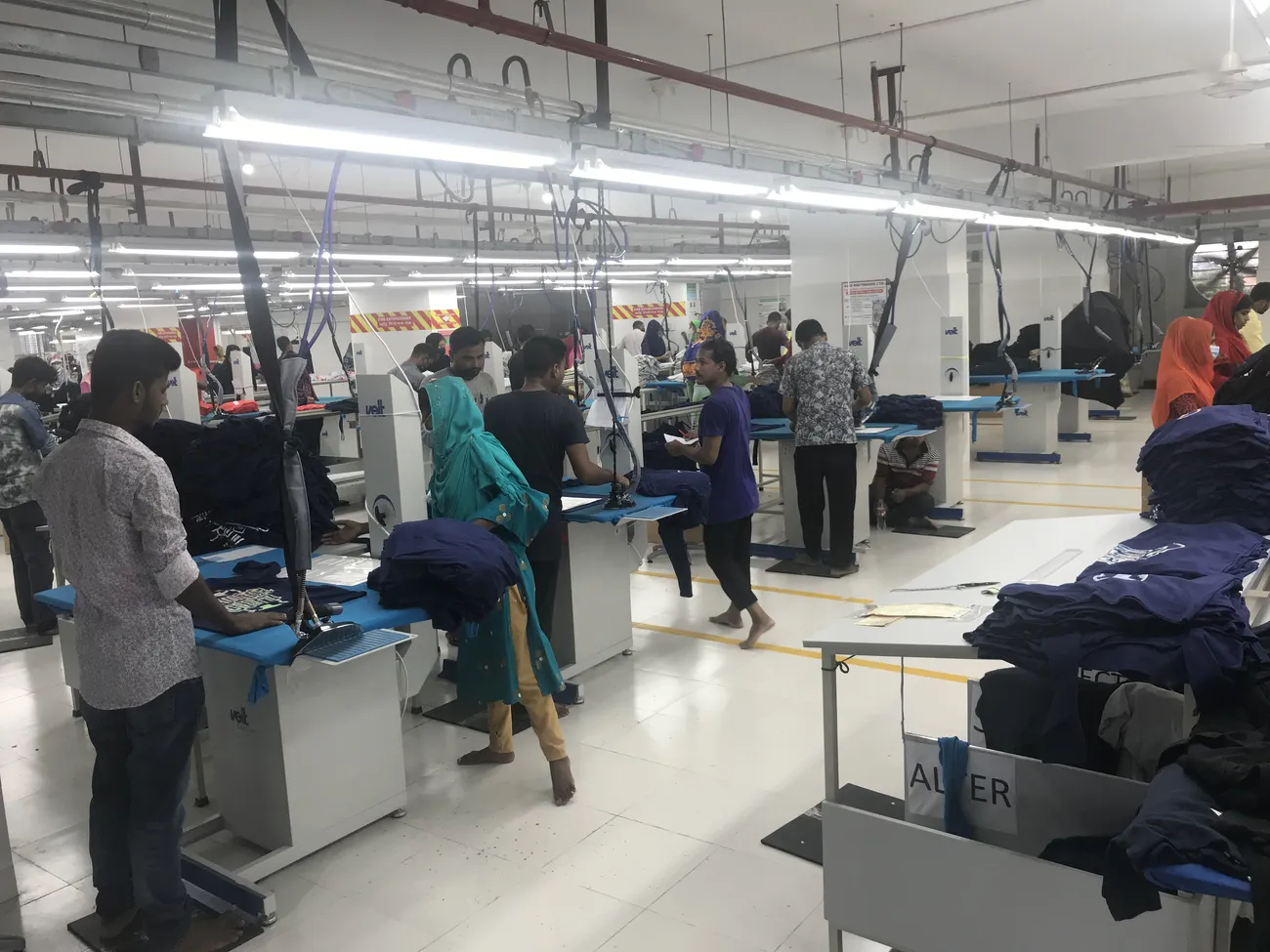
Bangladesh's garment sector has made measurable progress on worker welfare over the past decade. The International Accord (formerly the Bangladesh Accord on Fire and Building Safety) has driven structural improvements across thousands of factories. Brands that audit their suppliers and report transparently on working conditions are better positioned both ethically and commercially as consumer expectations and regulatory requirements continue to rise across all major import markets.
Expert Tip Sustainability credentials compound over time. A brand that starts with one GOTS-certified product, documents the supply chain story, and communicates it authentically is building real equity. A brand that markets "sustainable" without supply chain evidence is accumulating reputational risk. Start small, be honest about what you can substantiate, and grow your claims as you grow your practice.
Frequently Asked Questions
Does GOTS certification cover the entire supply chain?
GOTS certifies the handling of organic fibers at each processing stage — farming, spinning, dyeing, and manufacturing. For your product to carry the GOTS label, the fiber must be certified organic and every processor in the chain must hold their own GOTS certification. Your factory's certification is as important as your fiber supplier's.
What is OEKO-TEX and why do major retailers require it?
OEKO-TEX Standard 100 certifies that a finished garment has been tested for over 100 harmful substances including pesticides, heavy metals, and pH levels. Major retailers including H&M, Zara, and many department stores now require OEKO-TEX on their private label ranges because it signals chemical safety to end consumers and reduces liability.
Is recycled polyester genuinely better for the environment?
GRS-certified recycled polyester reduces dependence on virgin petroleum and lowers production-stage carbon emissions. However, it still sheds microplastics during washing and does not biodegrade. On balance, certified recycled polyester is meaningfully better than virgin polyester — but not a complete solution, and should be communicated honestly to your customers.
Key Takeaways
- Supply chain choices at the fiber and dyehouse level create more real sustainability impact than packaging choices.
- GOTS (organic fibers), OEKO-TEX (chemical safety), and SEDEX (labor standards) are the three certifications opening the most buyer doors.
- The entire supply chain — not just the fiber — must hold GOTS certification to use the GOTS label on your product.
- Transparency and incremental progress build more long-term brand trust than sweeping claims you cannot substantiate.
- Bangladesh's Accord compliance has raised factory structural and fire safety significantly — audit your suppliers and tell the story.
TH
Written by
Tasiqul Haq
Member of the Essential Apparel production team, sharing first-hand insight from our Dhaka factory floor.