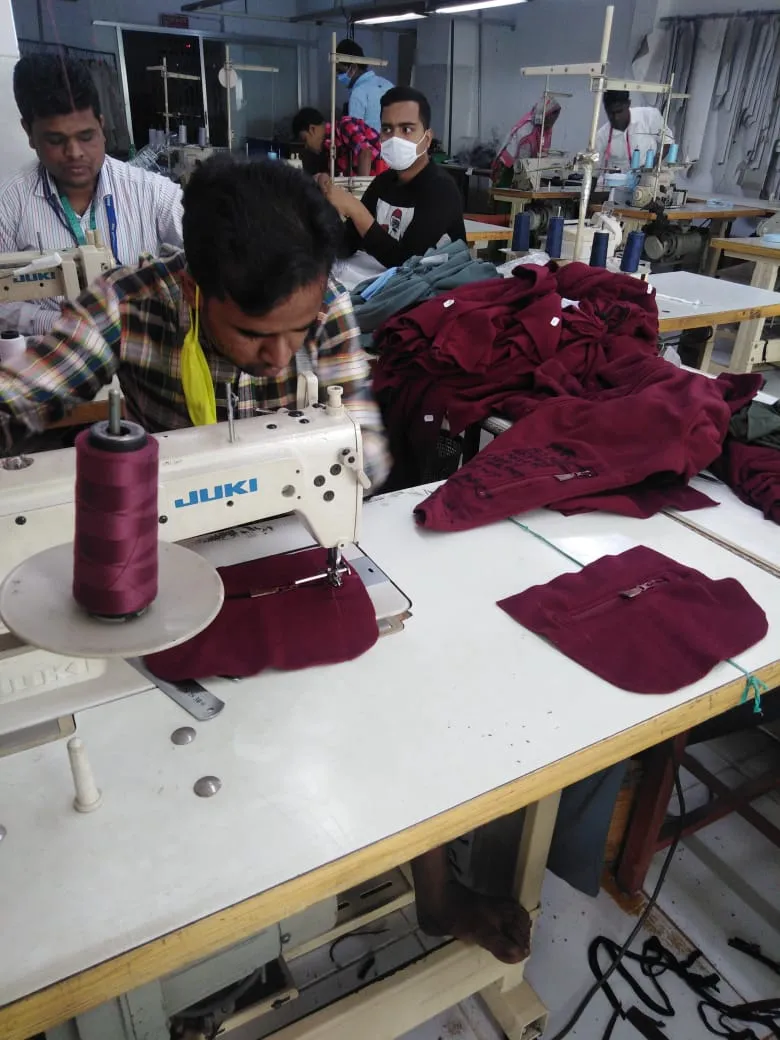
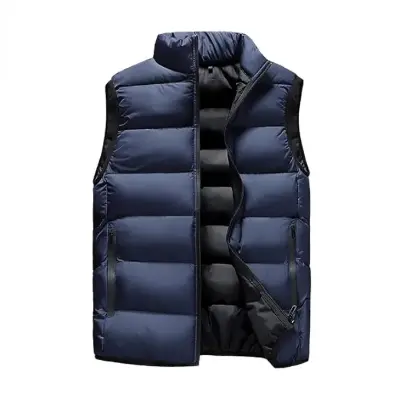
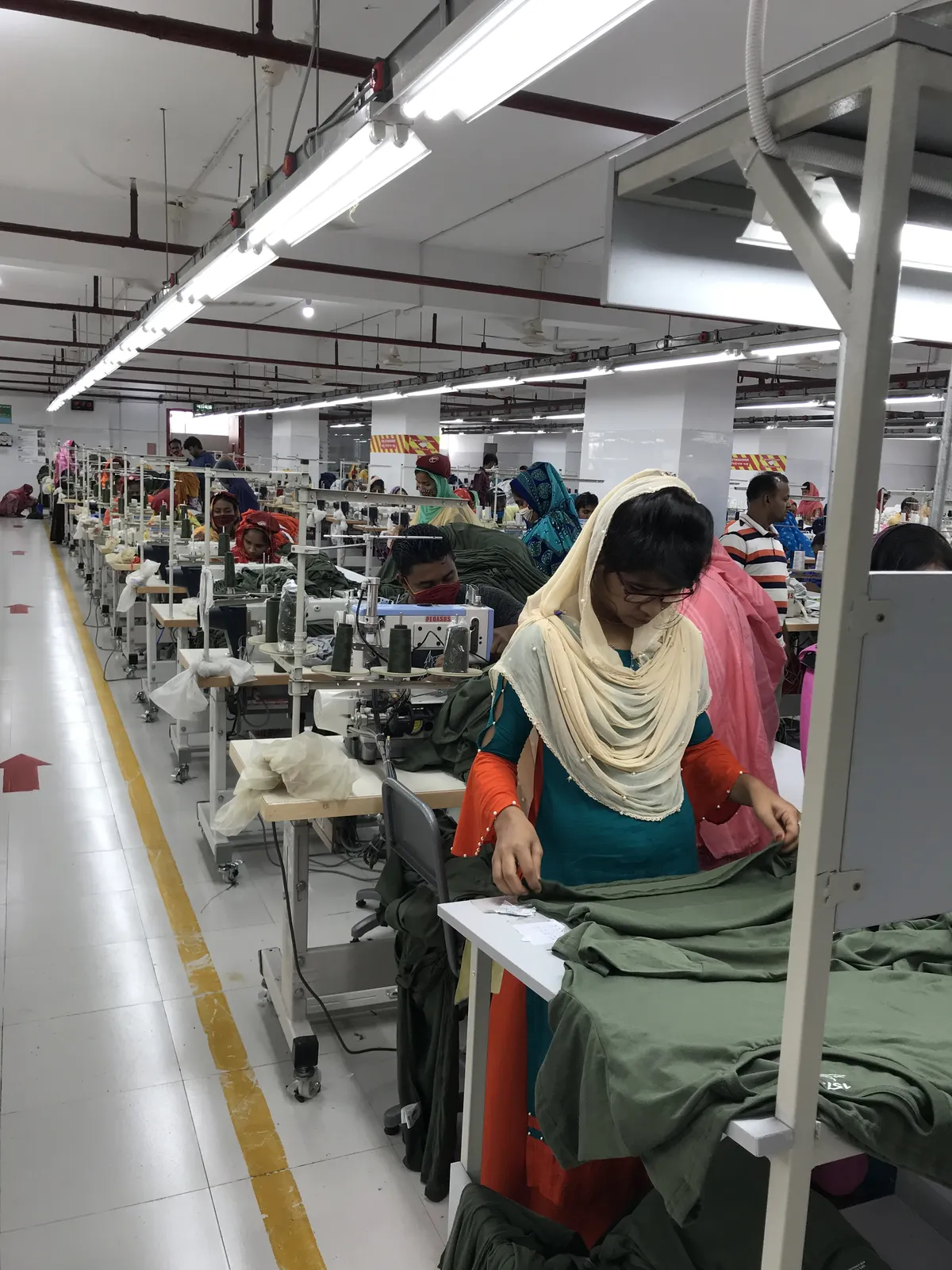
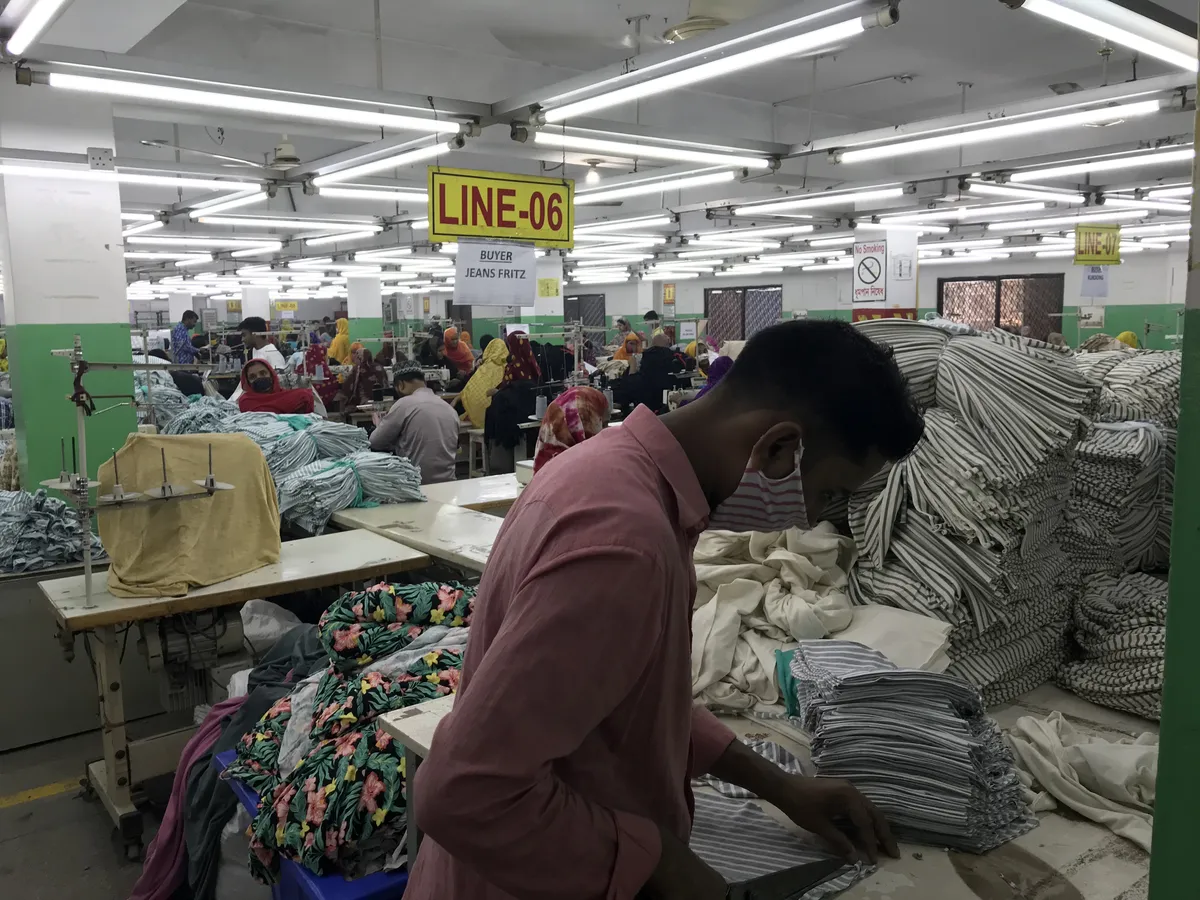
A good seam is invisible to most customers, but it shapes how a garment wears, hangs, and survives repeated use.
Not all seams do the same job. Some are built for strength, some for stretch, and some for a clean visual finish that supports the brand story.
Flatlock seams are common in activewear because they reduce bulk and improve comfort. French seams and bound seams give woven products a cleaner interior finish. Overlock seams keep knits moving without adding too much weight.
The wrong seam choice can distort the silhouette or create irritation where the garment touches the body. That matters most in collars, armholes, side seams, and waistbands.
Ask the factory which seam type is being used in each zone of the garment. A detailed construction map makes quality control much easier later.
From Concept to Wearable: Apparel Design That Sells
The design process in apparel starts not with aesthetics but with function. Every garment decision — silhouette, seam placement, hem finish, pocket depth — affects how the finished piece feels on the body, how it photographs, and how your customer remembers your brand. Great apparel design marries trend intelligence with production reality, and that balance is what separates brands that scale from brands that stall in the sample room.
Working with an apparel factory means your design language must be translated into a language engineers understand. That translation is the tech pack — a precise, annotated blueprint capturing every measurement, material call-out, color reference, construction method, and finish detail. Designs that arrive as "inspiration photos and a rough sketch" delay production by weeks. Designs backed by a solid tech pack move from sample approval to bulk cut in days, saving real money at every revision cycle.
The Tech Pack: Your Most Valuable Production Document
A tech pack is not a formality. It is the specification document your factory quotes against, samples to, and produces at scale. At minimum, a compliant tech pack includes a flat sketch with measurement callouts (front and back), a trim and materials list, color references (Pantone or physical swatch), stitch count per centimeter, label placement, and a size spec graded across all your sizes. Leave any of these out and you invite ambiguity — and ambiguity is expensive.
Factories in Bangladesh receive hundreds of inquiries per month. Orders backed by thorough tech packs receive faster, more accurate quotes and are prioritized when production slots are tight. The reason is simple: ambiguous briefs mean revision rounds, and revision rounds cost the factory time. A buyer who comes in with a clean tech pack signals professionalism, lowers factory risk, and earns more trust — and almost always better pricing per unit over time.
Expert Tip A garment's silhouette is defined by three measurements: chest width, body length, and shoulder width. Get those three right and every other dimension flows naturally from them. When a sample fits poorly, 80% of the time one of those three is wrong — start there before adjusting any other spec on the sheet.
Frequently Asked Questions
How many design revision rounds should I expect before production starts?
Most factories build two sampling rounds into the lead time. A proto sample lets you adjust fit and construction; a size set locks in the final spec. If your tech pack is thorough upfront, one round is often enough, saving you two to three weeks before bulk production begins.
Do I need a professional designer to create a tech pack?
No, but you need precision. Many founders create tech packs using Adobe Illustrator templates or free tools for the flat sketches, then hand-annotate measurements. What matters is completeness and accuracy, not software. Your factory's tech team will flag anything missing before they start sampling.
What happens if my design changes after production starts?
Mid-production changes are extremely costly — potentially forfeiting your deposit and restarting the cut. Lock in your design 100% before approving bulk production. The sample sign-off is the last decision point you have before the factory commits material and labor to your spec.
Key Takeaways
- A complete tech pack is the single biggest time-saver in production — invest time here before reaching out to factories.
- Silhouette is defined by chest width, body length, and shoulder width — verify these on every proto sample.
- Factories quote faster and prioritize orders from buyers who deliver professional, complete specifications.
- Every measurement must be production-sample-verified before the bulk sign-off — photos do not substitute for a sewn sample.
- Design changes after the cutting stage are prohibitively expensive; the sample approval is your final decision point.
MM
Written by
Md Mostain Salah Uddin
Member of the Essential Apparel production team, sharing first-hand insight from our Dhaka factory floor.