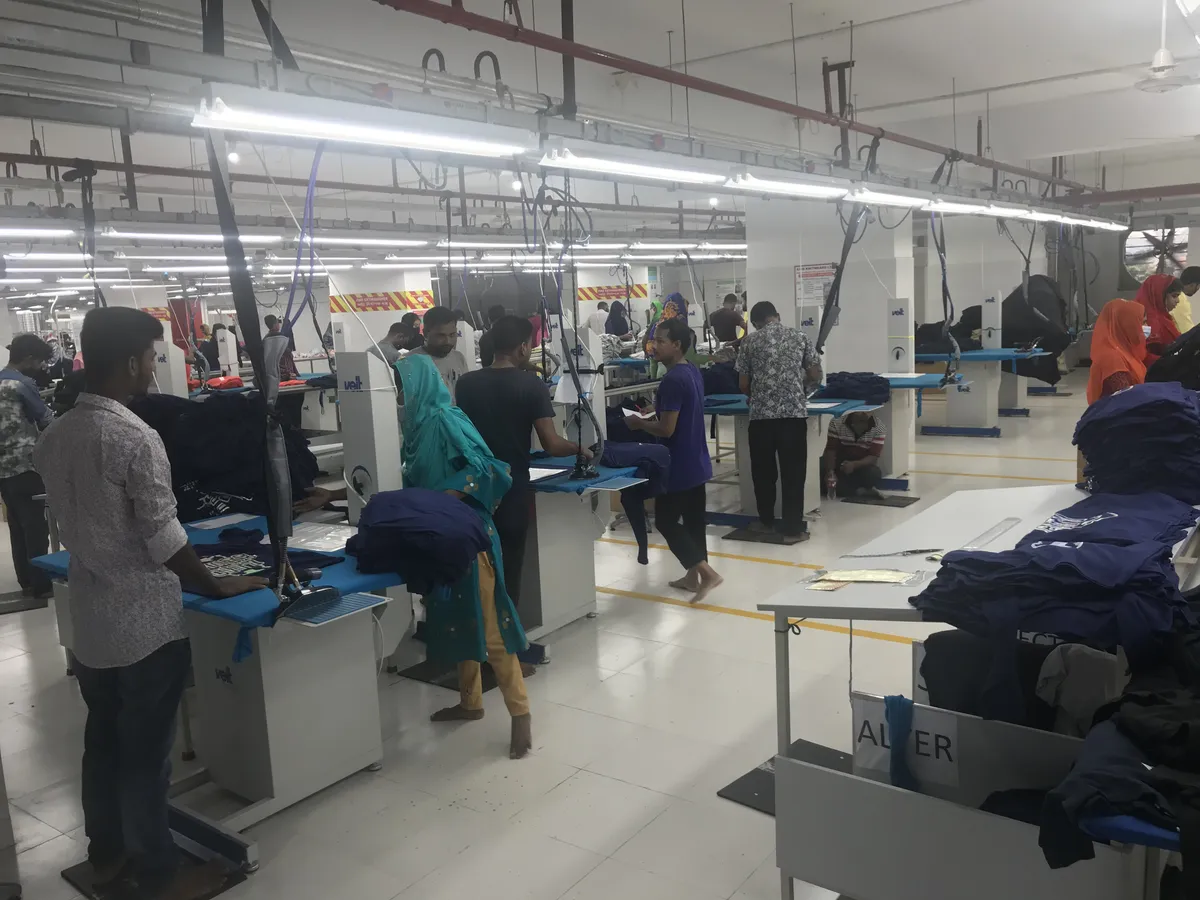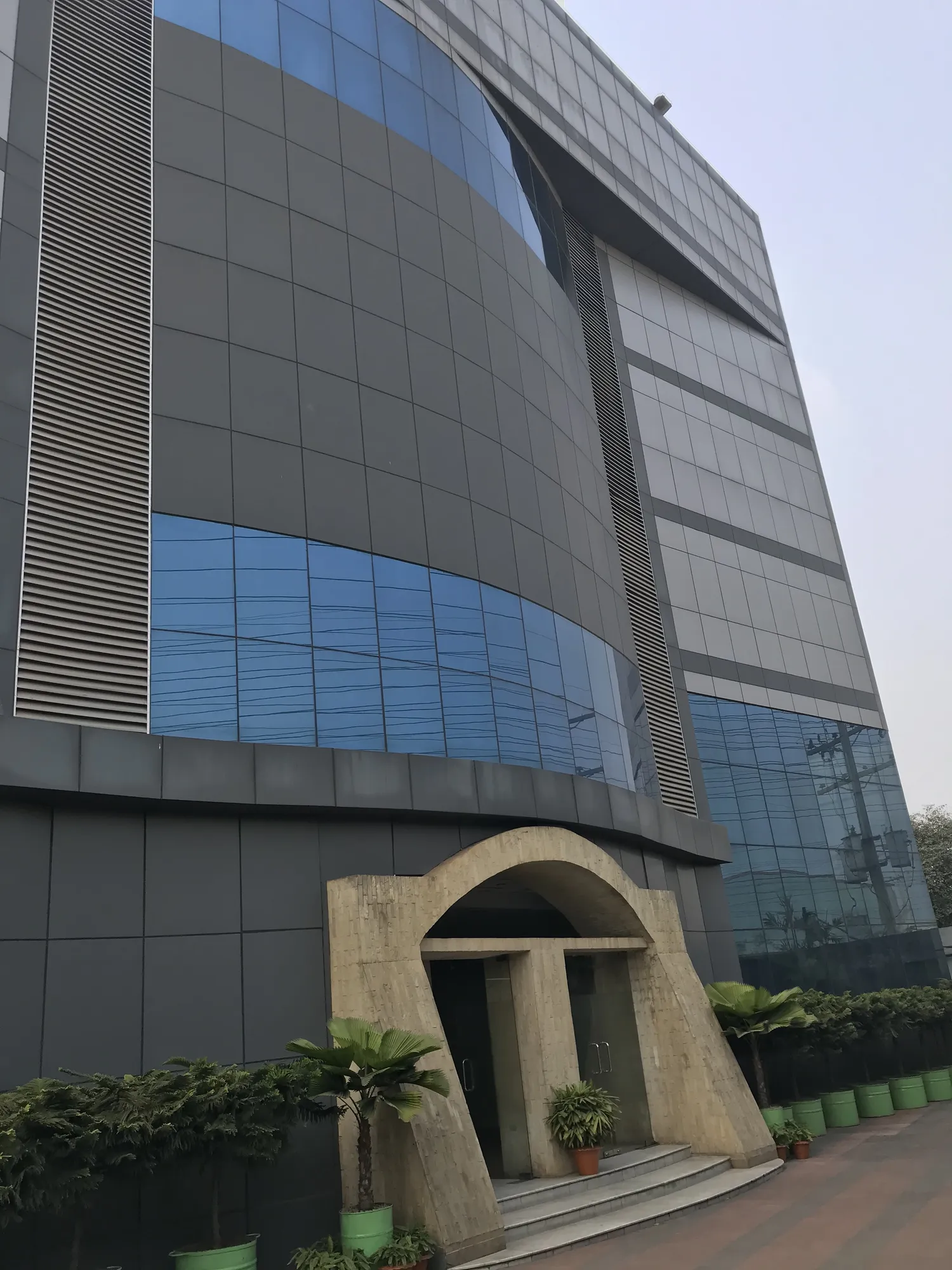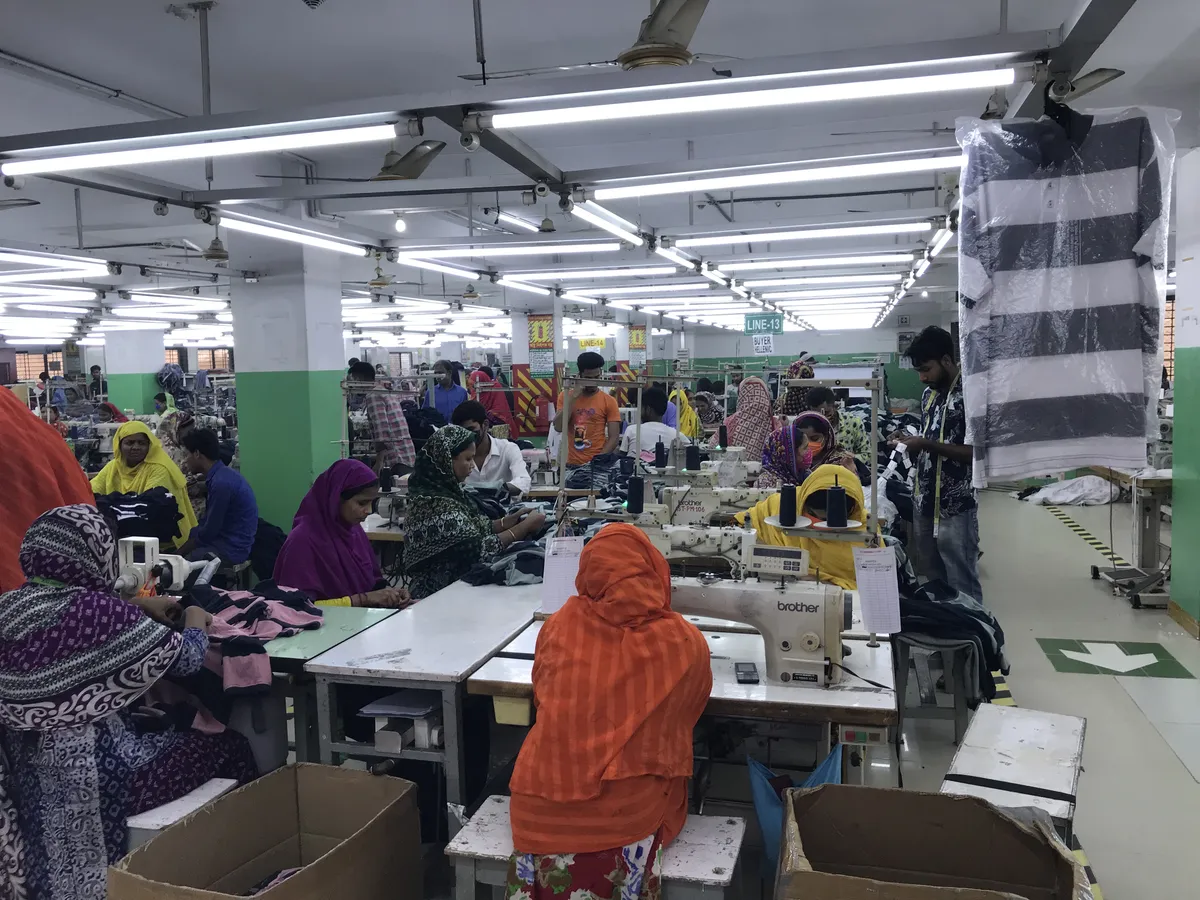
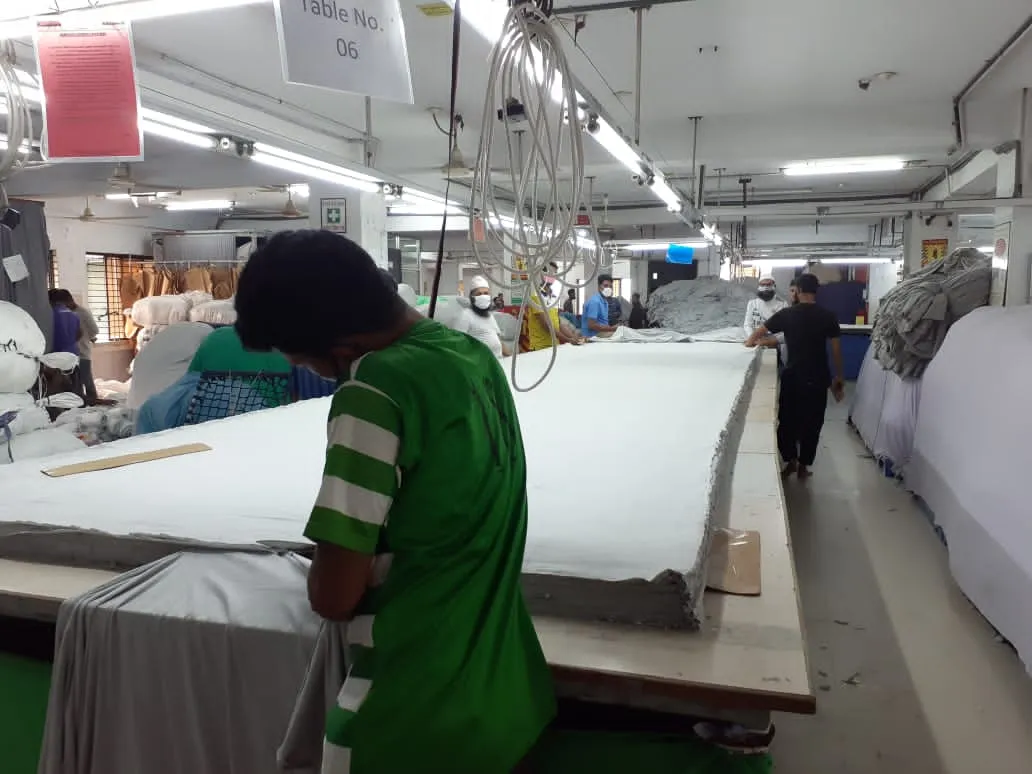
You are staring at a sample that took six weeks to arrive from overseas. The measurements are two inches off, the neckband looks like bacon, and the custom dye you requested resembles muddy water. You email the factory rep — crickets. That sinking feeling is the exact moment most founders decide to bring production home. But finding a reliable USA clothing manufacturer is a brutal process if you do not know where to look or how to speak the industry's language. This is the blueprint, from someone who has spent years on garment factory floors.
Before you contact anyone, know which production model you actually need, because domestic factories run strict business models. Full-Package Production (FPP) means the factory handles everything — they source fabric and trims, grade patterns, cut, sew, print, and bag from your tech pack. It is the safest route for startups: you pay a premium per unit but avoid coordinating raw materials yourself. Cut, Make, Trim (CMT) means the factory provides labor only; you buy the fabric, labels, threads, and zippers and ship them to the floor. It is cheaper per unit and gives absolute fabric control, but if your mill delivers late, your factory slot gets cancelled. Private label, or ODM, means buying a factory's existing pre-made blanks with your tags and prints applied — the fastest, lowest-capital route to market.
Honest advice: if you have less than $10,000 in capital, do not attempt custom cut and sew at domestic prices. Find a high-quality blank program and use private label. You skip pattern-making fees, lower your MOQ, and reach the market three months faster.
Reset your cost expectations now. An overseas factory might build a premium heavyweight hoodie for $5.00; a Los Angeles or New York factory will charge $25.00 to $45.00 for the same garment. The gap is structural — American wage laws, astronomical commercial rents in the garment districts, OSHA compliance, insurance, and environmental dye-runoff fees. What domestic production gives back is the elimination of hidden costs: no 30-to-45-day ocean transit, no 15-to-32-percent textile import tariffs, four-day domestic trucking, and far smaller MOQs — often 100 units instead of 500 — so less cash sits trapped in inventory.
Choose USA production when your retail price supports the margin (a $45-plus t-shirt, not a $20 one), when your brand identity genuinely depends on Made-in-USA marketing, when you need rapid reaction to trends, or when you have the capital to pay for premium craftsmanship. If none of those apply, a well-audited overseas partner will serve you better.
Google is a terrible place to find a garment factory — the best manufacturers do not care about SEO, and the flashiest websites usually belong to middlemen marking up someone else's sewing floor. Use industry directories instead. Maker's Row is the heavyweight platform for domestic sourcing, with thousands of vetted American manufacturers filterable by state, category, and MOQ. The CFDA Production Directory is a free, open-access list of hundreds of U.S. fashion manufacturers, indexed heavily around New York and Los Angeles with production minimums from single samples to 500-plus bulk runs. Sewport is global but has a robust USA filter and a secure platform for tech packs, communication, and payments.
Do not blast generic emails to fifty factories. Pick five that match your product category exactly. If you make denim, do not contact a stretch-activewear specialist — the machinery for heavy denim chain stitching is completely different from what sews spandex.
The industry still runs on handshakes, so walk trade show floors. SOURCING at MAGIC in Las Vegas, every February and August, is the cornerstone of North American sourcing — head straight for the Made in USA sections with printed tech packs in hand, and you can often settle MOQs and pricing on the spot. Texworld New York and Los Angeles are ideal for a CMT strategy: buy your yardage from a domestic mill, then walk three aisles over and secure the cut and sew partner. Dress like you belong in the industry, know your fabric weights, and state your target volume immediately — factory owners size you up in three seconds.
The single most common point of failure for new brands is contacting factories without a tech pack. You cannot email a factory asking how much for a heavyweight oversized black hoodie — that is like asking a homebuilder how much for a large gray house. A professional tech pack contains technical flat sketches of front, back, and interior with every seam called out; point-of-measure guidelines; a grading matrix from your sample size out to XS and XXL; a complete bill of materials down to fabric composition, GSM, rib content, and thread type; and exact label and print placements. And never omit tolerances: if your chest measurement is 22 inches with a standard tolerance of plus or minus half an inch, write it down — without it you cannot force a remake of a batch that came out half an inch small.
When you write the first email, prove you are a professional buyer, not a visionary with no budget. Keep it data-only: introduce the brand and niche in one line, state that you need FPP for a specific product, attach the complete tech pack, and list target volume across colorways, target delivery month, and required services. Then ask three questions: does this product fit your current capabilities, what is your standard MOQ for these specifications, and what is the lead time for an initial fit sample. That email gets replies within 48 hours from factories worth working with.
Learn the red flags before you wire a deposit. The subcontracting secret is rampant in the major hubs: a slick front operation takes your order at a premium and quietly ships the sewing to an unregulated facility down the street — ask for a live video tour of the cutting tables and sewing floor, and walk away from insurance excuses. Communication dead zones are equally fatal: a factory that takes five days to answer a sales inquiry will be invisible after they have your money. And test their attitude toward inspection by asking whether they support third-party AQL 2.5 inspections before final payment. If they get defensive and insist their internal QC is perfect, leave.
Never fund a bulk run without physical samples. The first fit sample is sewn in a close substitute fabric — judge only the silhouette, drape, and construction on a fit model, not the color. Discuss shrinkage explicitly: a reliable manufacturer compacts (pre-shrinks) fabric before cutting, and 3 to 5 percent shrinkage is the acceptable range; a sample that drops a full size after one wash means the factory is cutting corners. Then demand a pre-production sample in the exact bulk fabric, exact dye, exact trims, and final prints. Both parties sign a physical approval tag and keep one sample each — that is your legal insurance if the bulk run drifts.
Quality is engineered, not hoped for. The premium-brand standard is AQL 2.5 for major defects: on a 1,000-piece order an inspector pulls a random statistical sample from sealed boxes, allows zero critical defects like a needle left in a garment, no more than 2.5 percent major defects like out-of-tolerance sizing or crooked prints, and up to 4 percent minor ones like untrimmed threads. Fail the pull and the factory unpacks, reworks, and re-presents the entire batch at its own cost. Layer on voluntary audits — WRAP for labor standards, OEKO-TEX Standard 100 for chemical safety, ISO 9001 for formal quality management — and hold back 30 to 50 percent of payment until inspection passes.
Whether you ultimately produce domestically or offshore, the partner you want is one who already lives by these rules. Essential Apparel was built to eliminate exactly the chaos described in this guide: true OEM, ODM, and private label programs, obsessive tech pack engineering, compacted fabrics, AQL-inspected production lines, low MOQs designed for growing brands, and managed worldwide logistics from cutting table to warehouse door. We handle the technical heavy lifting so you can focus on scaling the brand.
You do not have to accept crooked seams, mismanaged timelines, and disappearing factory reps as the cost of doing business. If you are ready to move from digital designs to premium, retail-ready garments, contact the Essential Apparel team today to request a quotation, book a fabric consultation, or start your first sample run. Let us build your next collection the right way.