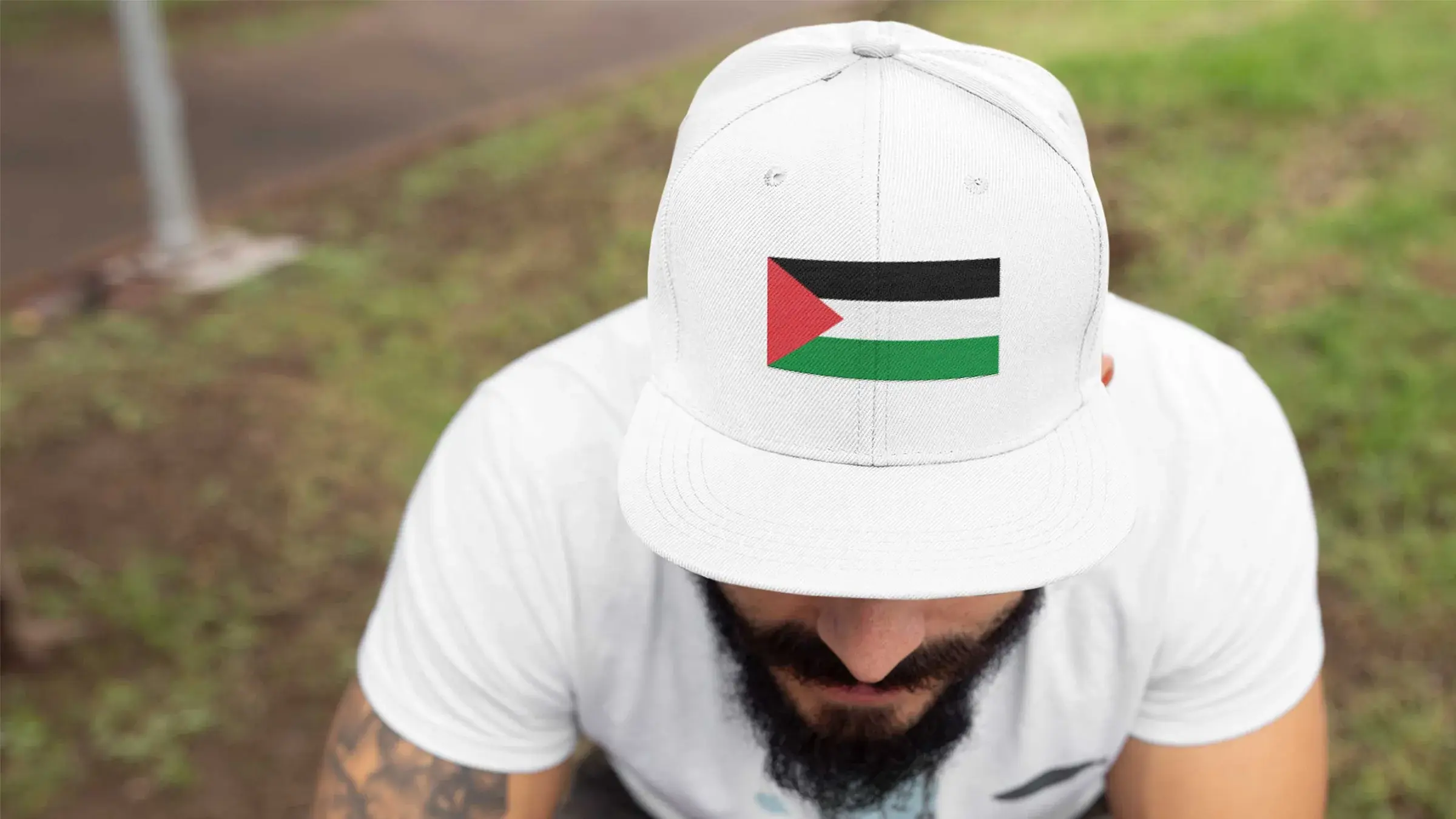
Both have their place. We break down where 3D puff embroidery elevates a cap, and where a clean silk-screen print outperforms thread on premium tees.
There is a long-running myth that embroidery is automatically more premium than print. It is not — both can look cheap when poorly executed and both can look luxurious when done right.
Embroidery shines on structured fabrics: caps, polos, jackets, sweatshirts. It adds texture and depth, and 3D puff embroidery on a cap is unmistakable. It struggles on lightweight knits where the stitch density distorts the fabric.
Screen printing shines on tees, hoodies, and any fabric where you want the brand mark to feel integrated rather than applied. Plastisol prints with a soft-hand additive can sit nearly flush with the fabric.
For premium tees, the highest-end mark is often the smallest: a tone-on-tone left-chest embroidery (matching thread to fabric color), or a discharge print that bleaches the dye out of the fabric so the mark becomes part of the cloth itself.
The luxury signal is not the technique. It is the restraint.
How Premium Brands Build Recognition Through Garment Details
Brand recognition in apparel is built not primarily through advertising but through the micro-details a customer discovers while wearing your garment. The quality of your label stitching, the weight of your zipper pull, the finish on your inside seam — these details accumulate into a perception of quality that either justifies your price point or exposes it. Customers rarely articulate these discoveries explicitly, but they feel them and form brand loyalty based on them.
The most cost-effective brand touches are those built into the garment itself rather than applied over it. A loopback fleece in a signature colorway, a branded pocket bag, a custom rib cuff, or a tonal embroidered logo on an inside hem — these signal to the customer that something thoughtful is happening behind the price tag. External packaging captures attention at the moment of purchase; garment-integrated branding earns repeat business months and years later.
Private Label vs. Brand — What's the Strategic Difference?
The distinction between private label and brand is strategic, not legal. Private label means manufacturing garments under your own name using a factory's existing capabilities. A brand goes further: it builds a consistent aesthetic language, a narrative, and a community around the garments. Both start identically — with a production order — but they diverge quickly in how they are marketed, priced, and grown over multiple seasons.
The fastest-growing DTC apparel brands share three characteristics: a clearly defined customer persona (psychographic, not demographic), a product range narrow enough to be visually coherent, and a brand identity so consistent that customers recognize a piece in the wild without a visible logo or tag. These attributes are free — they cost nothing to build into your brand strategy — but they compound into pricing power and customer loyalty that no advertising spend can directly purchase.
Expert Tip Brand name, logo, and color palette are the surface layer. Real brand equity lives in three things: product fit and quality consistency, customer service responsiveness, and the reliability of your marketing presence. Get those three right and every other brand element amplifies. Get them wrong and no visual identity work will save you.
Frequently Asked Questions
What custom branding options are available at low MOQ?
At 50–100 units you can add custom woven or printed main labels, heat-transfer care labels, and custom neck prints. Hangtags and polybags can be customized from 100 units. Custom woven patches or embroidered logos typically need 100+ pieces. At 300+ units, full packaging customization — boxes, tissue, ribbon — becomes cost-effective.
How much does private label packaging add to landed cost?
At standard volumes, custom polybag + label + hangtag adds $0.50–$1.50 per unit depending on complexity. Premium folded boxes with tissue inserts can add $2–$4 per unit but dramatically increase the perceived unboxing value and justify a higher retail price point.
Should I build one brand or multiple brands simultaneously?
Start with one. Multi-brand strategies work when the brands serve distinctly different customer segments and you have the operational capacity to run separate supply chains, marketing channels, and customer service functions. Most early-stage founders dilute focus and resources by splitting too early.
Key Takeaways
- Brand recognition is built through garment details as much as marketing — invest in the finish, not just the packaging.
- Garment-integrated branding (pocket bags, inside hem labels, custom rib) outlasts external packaging impressions.
- A narrow, coherent product range signals brand confidence more convincingly than a wide scattered assortment.
- Custom branding starts at 50 units — begin with labels, neck prints, and hangtags before investing in box packaging.
- One brand built with discipline outperforms two brands built with split attention, especially in the first three years.
TH
Written by
Tasiqul Haq
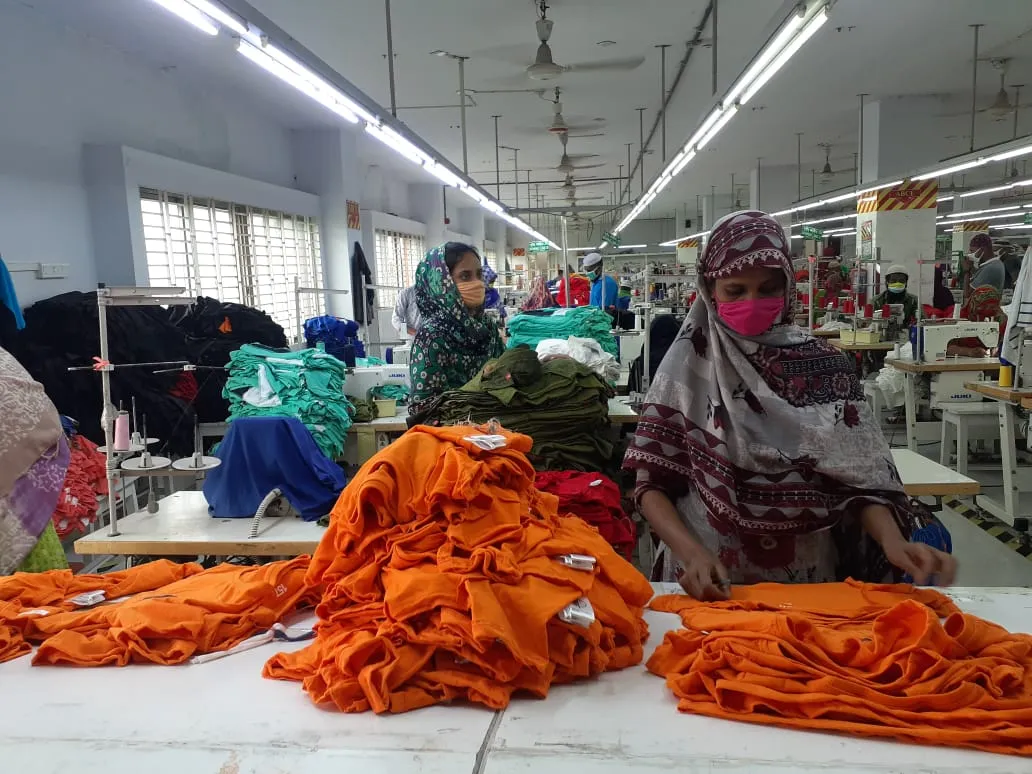
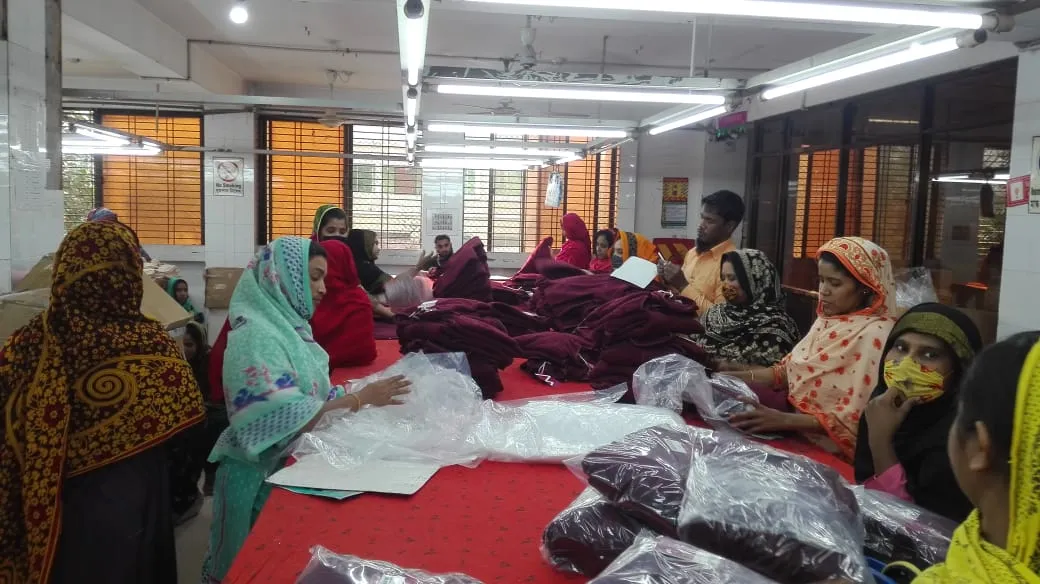
Member of the Essential Apparel production team, sharing first-hand insight from our Dhaka factory floor.