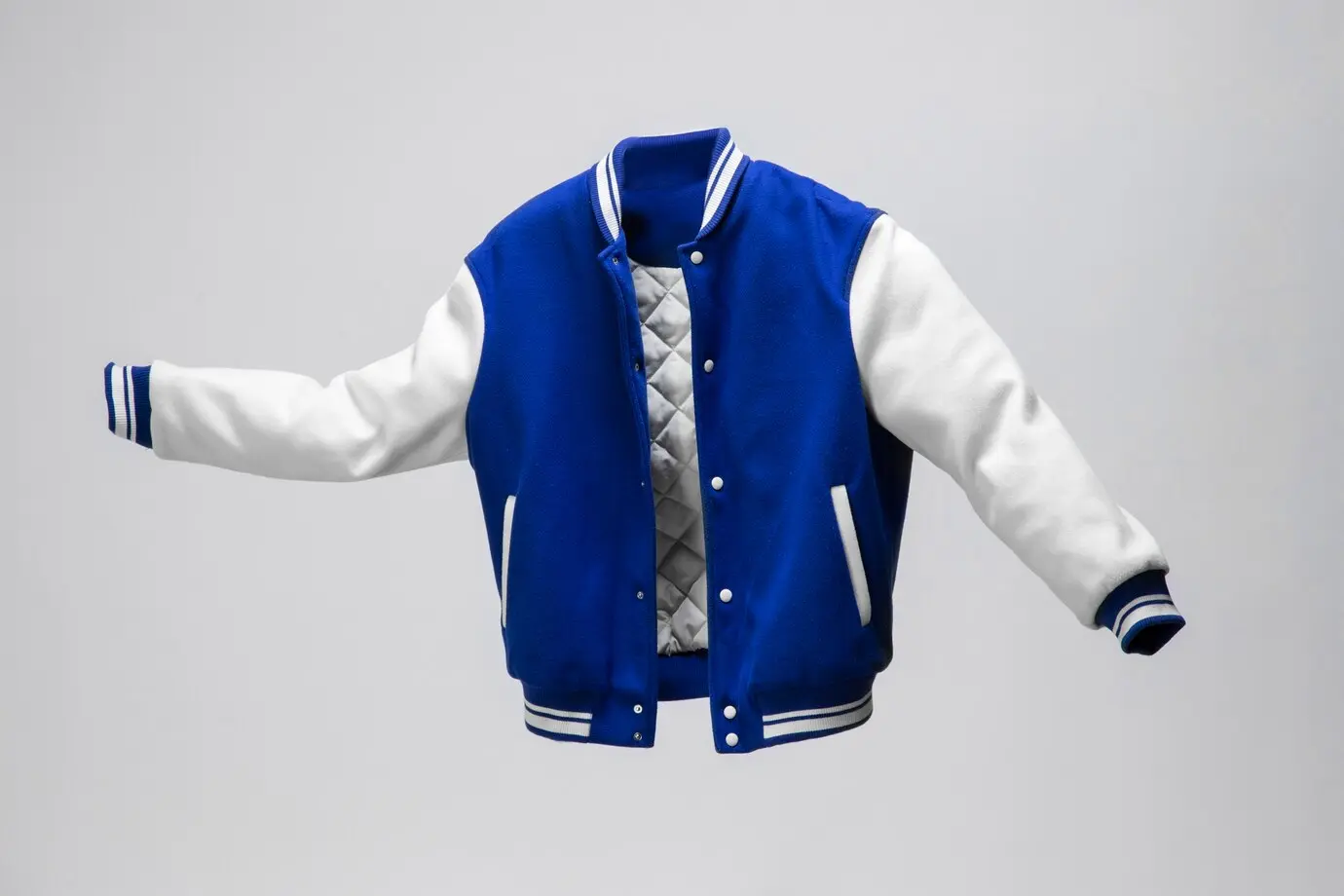
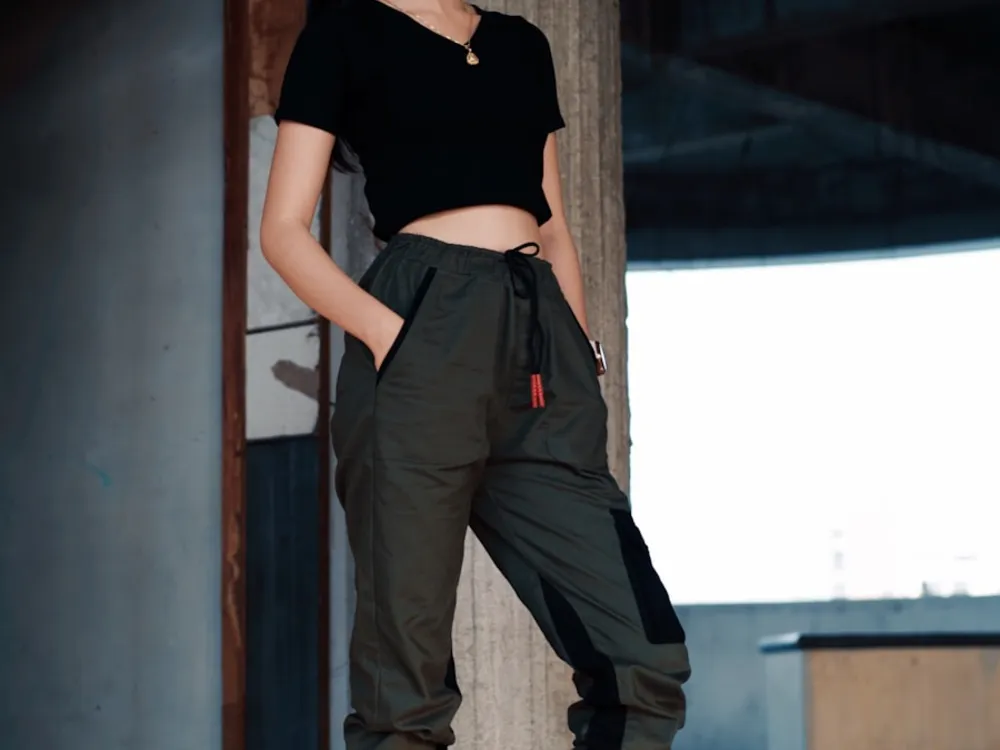
The same Pantone color can look different on a cotton tee and a nylon jacket. Here is why.
Fabric texture and composition affect how light is absorbed and reflected.
A smooth surface reflects more light, creating a more vibrant color.
A rough or textured surface absorbs more light, making the color appear darker or flatter.
Always approve colors on the actual fabric that will be used in production.
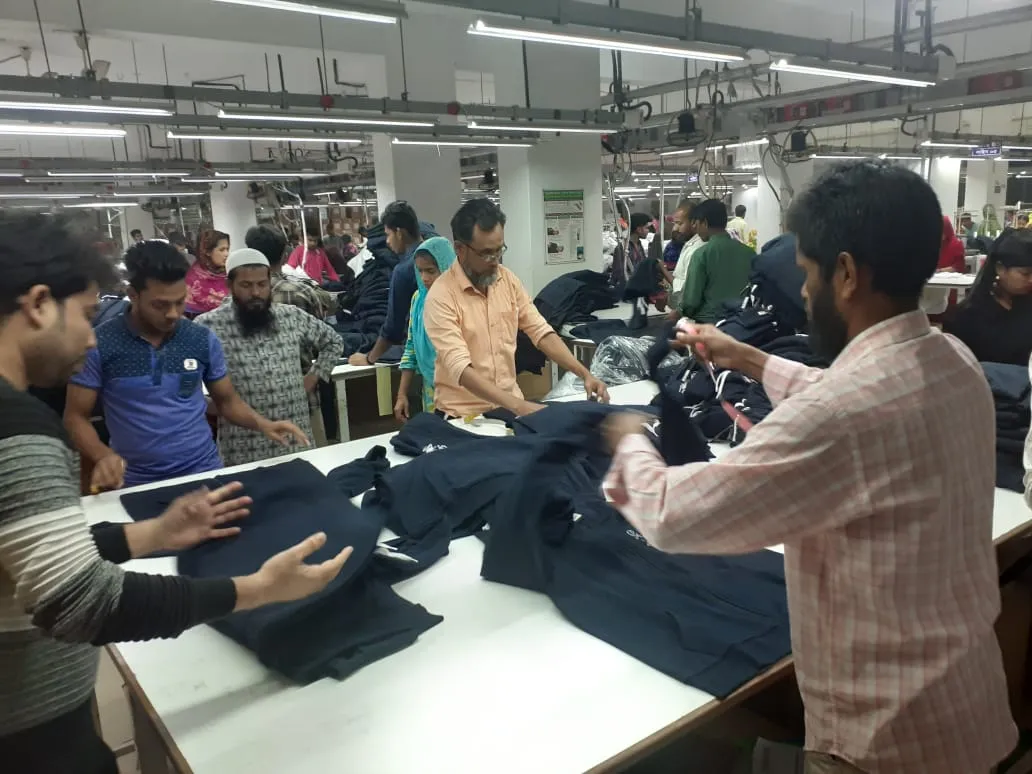
Inside a Bangladesh Factory: How Your Order Moves Through Production
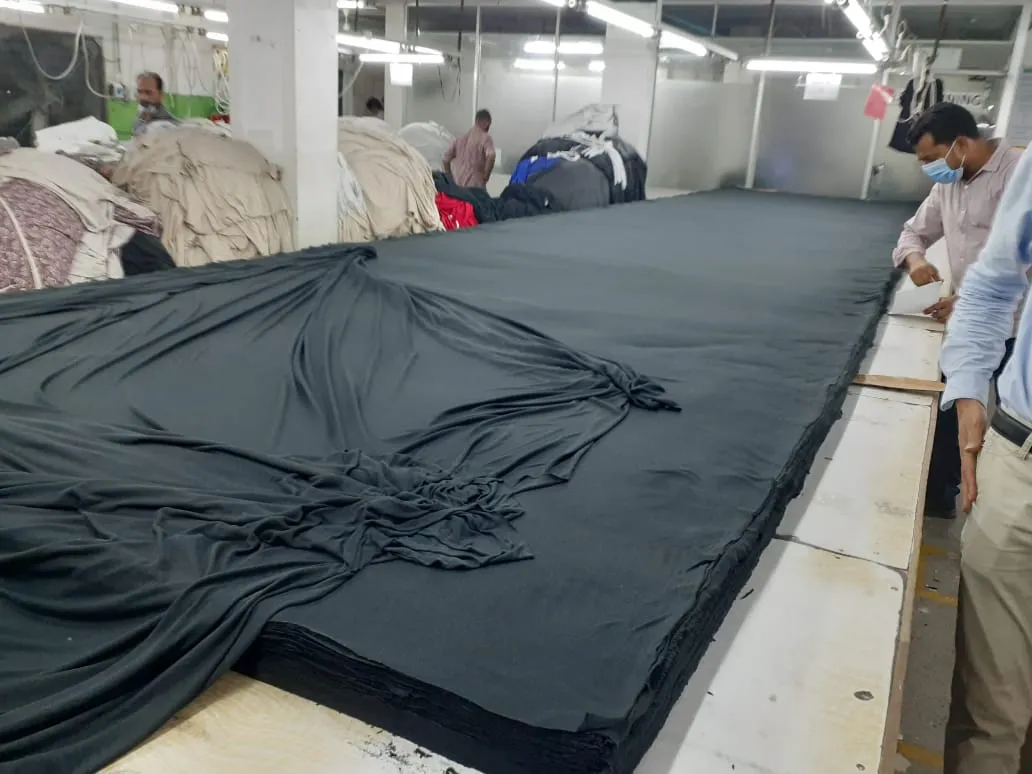
A garment order passes through approximately 14 distinct workstations from raw fabric to a finished, packaged piece. It begins at the fabric inspection table — where incoming rolls are checked for weaving defects, color variation, and width consistency before cutting — then moves through spreading, marker laying, and cutting. From there it progresses through sewing sub-assemblies (collar attach, cuff attach, side seam, sleeve set, bartacking), then finishing (thread trimming, spot cleaning), pressing, and finally packaging. Each station has a supervisor tracking output against a daily production plan measured in dozens per hour.
Understanding this flow helps buyers avoid the costliest production mistake: requesting changes mid-production. Once a style enters the cutting room, the pattern is set and the fabric is committed. Changes to measurements, pocket placement, or construction details at this stage require stopping the line, re-grading the pattern, cutting new pieces, and often disposing of already-cut goods. The cutting room is the true point of no return — not sample approval.
Lead Times: What's Realistic and What's a Red Flag
Realistic lead times from a Bangladesh CMT factory are 25–35 days for standard hoodies and tees in approved stock fabrics, and 40–55 days for styles requiring custom fabric development or new color creation. These assume an approved sample and signed-off tech pack on day one. Factories that quote 15 days or less for a brand-new style should be questioned — they may be overstating capacity or planning to cut quality corners to meet a commitment they cannot honor.
The lead time variables most buyers overlook are fabric availability and lab dip approval. If production requires custom-dyed fabric, add 10–15 days for the dyehouse cycle and lab dip approval before the factory can cut a single panel. Ordering from existing stock fabric colors — especially smart for a first production run — eliminates this step entirely and can shorten your total timeline by two weeks, reducing both cost and risk on an untested style.
Expert Tip Ask your factory for a production milestone schedule — a week-by-week breakdown showing when fabric is cut, when sewing begins, when inline QC is scheduled, and when shipping is planned. A factory that produces this document on request runs a disciplined operation. One that cannot is managing production reactively, and your order is at elevated risk of delay.
Frequently Asked Questions
What is a CMT factory and how does it differ from full-package?
CMT (Cut, Make, Trim) means you supply the fabric and trims; the factory provides labor and infrastructure. Full-package means the factory handles fabric and trim sourcing, sampling, production, and sometimes packaging — a one-stop service. Full-package costs slightly more per unit but reduces the buyer's operational burden considerably.
Can I split my order across multiple factories?
Yes, but consistency is hard to maintain. Splitting a 500-unit order across two factories risks color variation between batches, slight construction differences, and logistical complexity at shipment. For your first several runs, use one factory per style to build a clean quality baseline.
How fast is a re-order on an existing style?
Re-orders on previously approved styles and approved fabrics move in 18–25 days from confirmation, because no sampling cycle is needed. The factory already has your pattern; fabric is re-ordered or pulled from stock. Re-orders are where private label economics become most attractive — lower per-unit cost, faster delivery, and proven quality.
Key Takeaways
- Your order flows through 14 production workstations — understanding each one helps you ask the right questions.
- The cutting room is the real point of no return — not sample approval; changes after cutting are extremely expensive.
- Realistic Bangladesh lead times: 25–35 days standard, 40–55 days with custom fabric development.
- Factories that provide a production milestone schedule on request run disciplined, lower-risk operations.
- Re-orders on approved styles ship in 18–25 days — this speed advantage is where private label becomes genuinely profitable.
MM
Written by
Md Mostain Salah Uddin
Member of the Essential Apparel production team, sharing first-hand insight from our Dhaka factory floor.