You are tracking your brand's monthly revenue and the numbers look incredible on paper. You sold out of your new heavyweight streetwear hoodie release in two days. Then you look at the actual profit. After paying for the blank garments, the screen printing fees, the relabeling, the polybags, and the shipping, your margin is practically nonexistent. You built a machine that generates revenue, but you failed to build a supply chain that captures profit. Every fashion brand eventually hits this exact wall, and it always comes back to one decision: clothing manufacturer vs wholesaler.
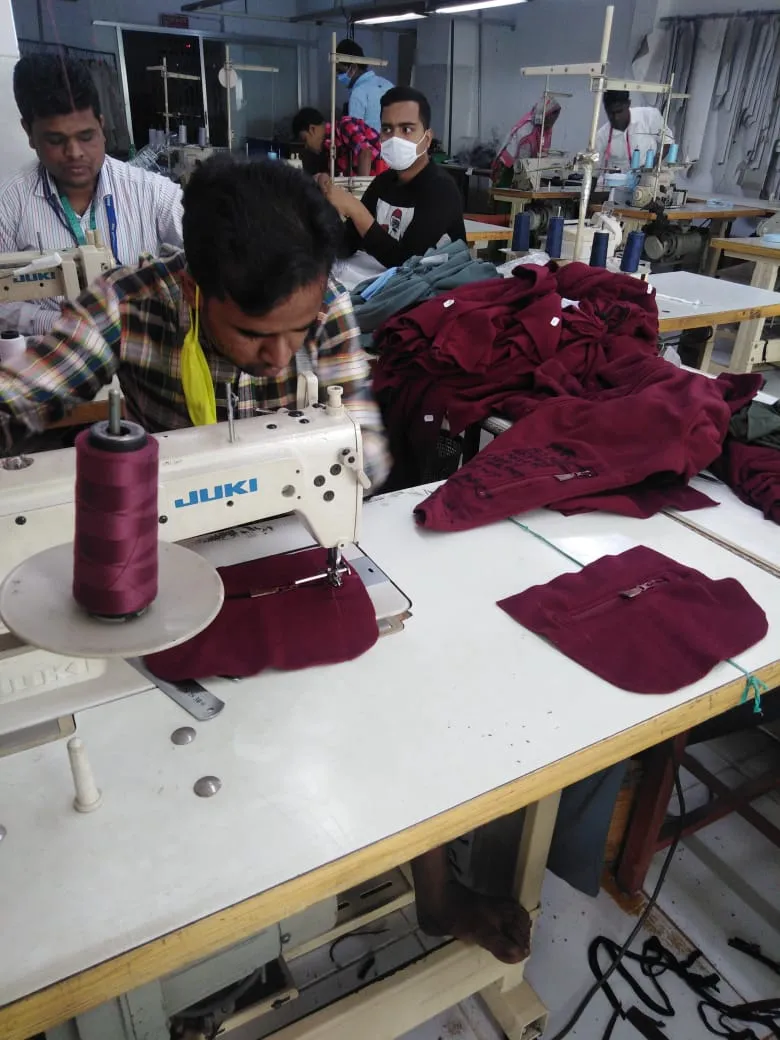
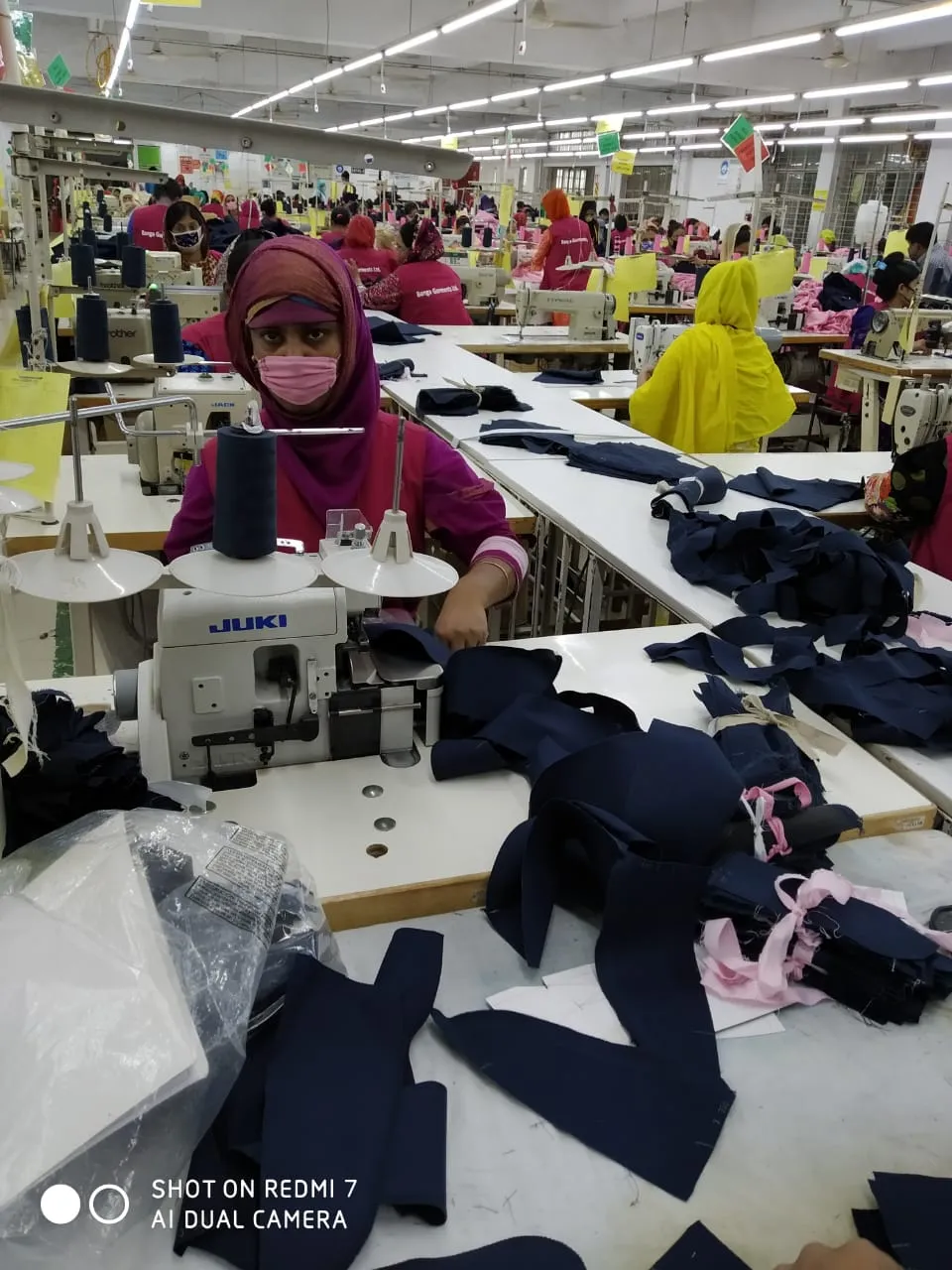
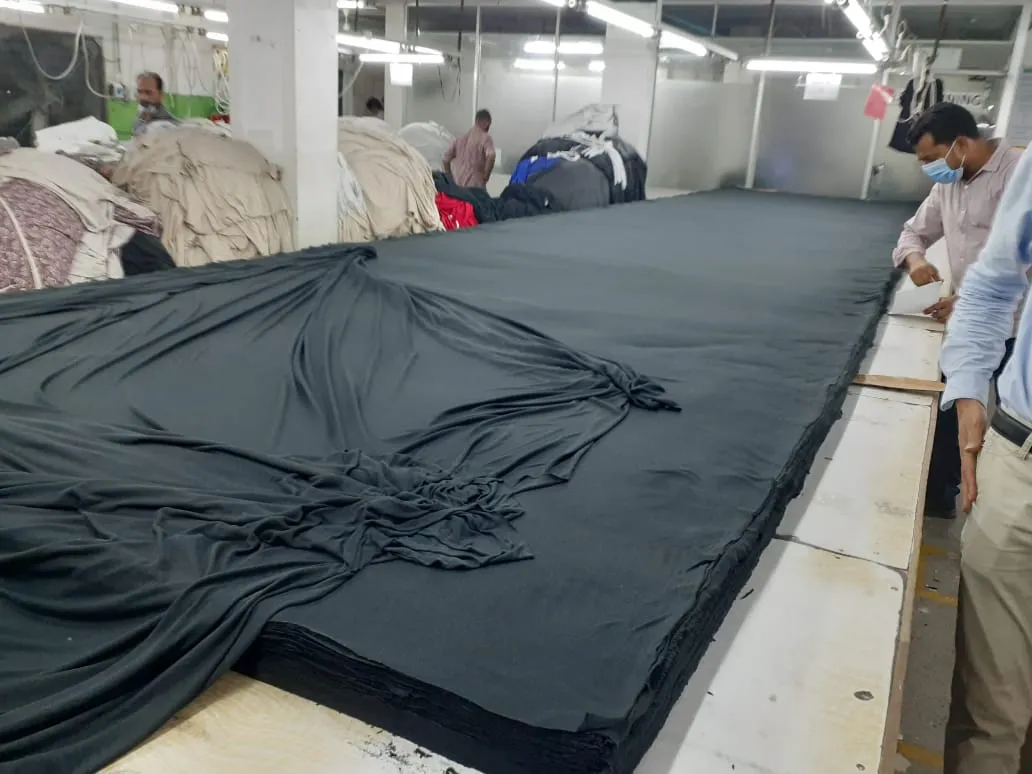
The apparel industry thrives on intentional confusion, so let us define who actually does what. A clothing manufacturer is the origin point — the actual factory. They buy raw yarn, knit it into fabric rolls, dye those rolls to your Pantone number, cut the fabric based on a custom pattern, sew the pieces together, and box up the final garment. This is Full-Package Production, or cut and sew manufacturing. Their business model runs on industrial volume, which is why they enforce strict Minimum Order Quantities: a production line that employs fifty people cannot stop to sew twenty t-shirts.
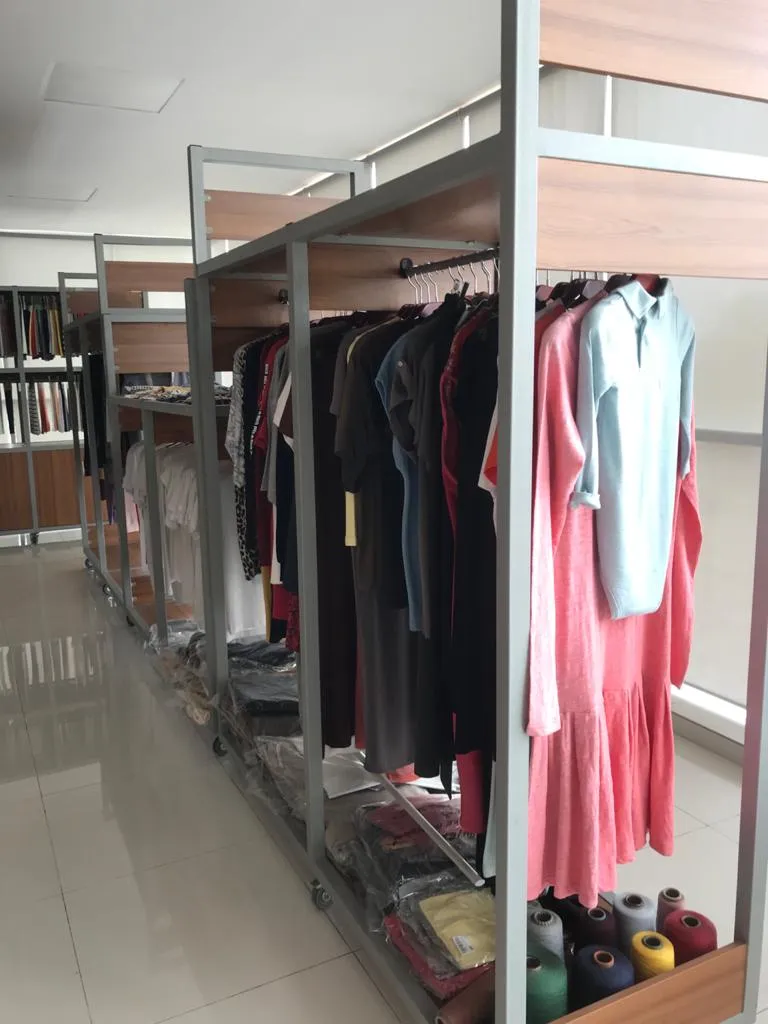
A clothing wholesaler is a distributor. They own massive warehouses, not sewing floors. They purchase tens of thousands of blank garments from overseas factories at rock-bottom prices, import them, and resell them from a catalog. They buy a black t-shirt for two dollars from a factory and sell it to you for five fifty. Their advantage is that they assume the inventory risk and hold domestic stock; their constraint is that you get zero control over fit, fabric, or dye color — you get exactly what is on the shelf that day.
The financial difference is brutal once you run the numbers. A wholesale-model hoodie typically lands at around $25.50 in total cost of goods: an $18 blank, $1 inbound shipping, $4.50 for a two-color screen print, $1.50 for neck relabeling, and $0.50 for a custom polybag. Retail it at $60 and your gross profit is $34.50 — which evaporates into single digits once ad spend, platform fees, and outbound shipping are deducted.
Now price the exact same heavyweight hoodie as a direct cut and sew run at a moderate MOQ of 300 units. The FOB factory price — including printing, custom labels, and bagging — comes to about $12.50, plus roughly $2.00 per unit in ocean freight and import duties. That is a $14.50 landed cost. Working directly with the factory shaves $11.00 off every unit, which on a 300-piece run is $3,300 of pure margin that goes to your bank account instead of a middleman's warehouse lease.
One warning from the factory floor: startups constantly miscalculate landed cost. A factory FOB quote is just the price at the loading dock in the country of origin. You must add air or ocean freight, insurance, and import tariffs before you compare it against a domestic wholesale catalog price. Comparing FOB to a wholesale shelf price is how brands talk themselves into bad decisions.
Customization is usually the moment a brand outgrows wholesale. Wholesale blanks are cut to be aggressively average — the same shirt has to fit a 20-year-old skateboarder and a 50-year-old accountant. You are stuck with the catalog's GSM, its stock colors, and its commodity construction: carded cotton instead of combed, basic overlock stitching, fabric that pills after ten washes. Working with a manufacturer flips all of that. Through a tech pack you dictate exact grading and points of measure, custom reactive dye lots matched to Pantone, specific YKK zippers and trims, double-needle coverstitching, and pre-shrunk, compacted fabric that survives heavy wash cycles.
Speed is where the wholesaler genuinely wins. If a celebrity wears your brand on a Tuesday, you can order 500 blanks from a distributor portal, have them at your printer by Thursday, and ship to customers by Monday. Custom manufacturing cannot do that. A realistic direct-to-factory timeline runs 14 to 19 weeks end to end: one to two weeks for tech pack review and sourcing, three to four weeks of proto sampling and fit revisions, two to three weeks of bulk fabric dyeing, four to five weeks of cutting, sewing, printing, and packing, and four to five weeks of ocean freight. Brands that manufacture directly design their winter collection in the middle of summer.
Quality consistency is the difference customers actually feel. Wholesale inventory is co-mingled: order 100 black shirts and half may have been sewn in Honduras in March and half in Bangladesh in November, with slightly different weights and undertones. A custom production run mills and dyes your fabric in one continuous batch, so every unit is identical. More importantly, you control inspection. Premium brands enforce an AQL 2.5 standard: before final payment, a third-party inspector pulls a statistical sample from sealed boxes and measures it against the tech pack tolerances. If the defect rate exceeds 2.5 percent, the entire order is rejected and the factory reworks it at its own expense. When you buy wholesale blanks, you get what is in the box.
You do not have to pick one model forever — the smartest brands use a phased strategy. Phase one is proof of concept: use wholesale blanks in small 30-to-50-piece batches to test designs and build an audience while protecting your cash. Phase two is private label, or ODM: a factory that already produces high-quality pre-fitted blanks applies your custom neck tags, prints, and packaging at MOQs around 100 pieces, bridging wholesale speed and factory-direct pricing. Phase three is true brand independence through OEM cut and sew: robust tech packs, 300-plus units per style, and margins that can fund serious customer acquisition and wholesale retail distribution.
Inventory risk cuts the other way, and you should respect it. Because wholesale lets you buy exactly what you need, you rarely sit on dead stock. When you order 500 custom-dyed windbreakers from a factory, you own them — even if the trend dies while they are on a cargo ship. The factory-floor mitigation is fabric consolidation: build your hoodie, sweatpant, and heavy tee on the exact same 300 GSM French terry in the same color. You hit the mill's raw material minimum once while spreading risk across three silhouettes.
Compliance is the final separator. Consumers in 2026 demand supply chain transparency, and with cheap wholesale blanks the trail is nearly impossible to trace because distributors buy from dozens of offshore factories at once. Contracting directly with a manufacturer lets you demand audit certifications up front: WRAP for labor practices and safe working conditions, OEKO-TEX Standard 100 for chemical safety of fabrics and trims, and GOTS if you market certified organic cotton. If your brand identity relies on ethics or sustainability, the wholesale model is a liability.
So which do you choose? Pick a wholesale distributor if you run a merch line where the graphic matters more than the fit, if you are a print-on-demand seller testing viral designs, if you need 50 polos for a company retreat next week, or if you have under $2,000 of capital. Pick a direct clothing manufacturer if you are building a label that needs specific drop-shoulder grading, proprietary fabric blends, margins that survive a 50 percent wholesale discount to retailers, or customers who are tired of shrinking shirts and inconsistent sizing.
Transitioning from buying blanks to managing a global manufacturing supply chain is intimidating — tech packs, fabric yields, import duties, and QC tolerances are a full-time discipline. That is exactly the gap Essential Apparel exists to close. We offer the complete spectrum: ODM private label programs to escape the constraints of wholesale catalogs, and full OEM cut and sew manufacturing for complex tech packs, with transparent cost structures, strict AQL quality control, manageable MOQs, and integrated worldwide shipping from the cutting table to your warehouse door.
Relying on wholesale catalogs is a great way to start a brand and a terrible way to scale one. When you are tired of competing on the same blank t-shirts as thousands of other startups, take control of your silhouettes, your margins, and your fabric quality. Contact the Essential Apparel team to request a quotation, book a fabric consultation, or start your first custom sample run — stop settling for what is in stock, and start building what your customers actually want.